
Guide
How Do You Know If Someone Is Using Meth?
Joint Commission accredited · In network with most major insurance · Admissions answered 24 hours a day
Published August 23, 2021
Reviewed and updated July 29, 2026

How Do You Know If Someone Is Using Meth?
If you think a loved one is using meth, help is available.
Table of contents
- What is Meth?
- What Does It Look Like When Someone is High On Meth?
- What Are Signs of Meth Use?
- Symptoms of Meth Overdose
- What to Do When a Loved One is Using Meth
- What is the Best Treatment for Meth Addiction?
- How Meth Detox Works
- Start Recovering From Meth Addiction Today
Meth (methamphetamine) is a powerful stimulant and people rarely just use it casually. Instead, many people quickly become addicted to it and develop harmful side effects as a result. According to the latest National Survey on Drug Use and Health (NSDUH), in 2019 about 1 million Americans ages 12 or older had a meth use disorder.1
Briarwood Detox Center’s methamphetamine detox program provides medically supervised, evidence-based care.
If you’re concerned that a family member or friend is using meth, you should watch for changes to their physical appearance, mood, and behavioral patterns. If they are using meth or are addicted to it, you’ll probably notice some distinct changes. Fortunately, there is help available for people who are struggling with meth addiction and the caring professionals at Briarwood Detox Center can help.
Does your insurance cover detox in Austin?
Find out in about 2 minutes — free, confidential, no obligation.
Verify InsuranceWhat is Meth?
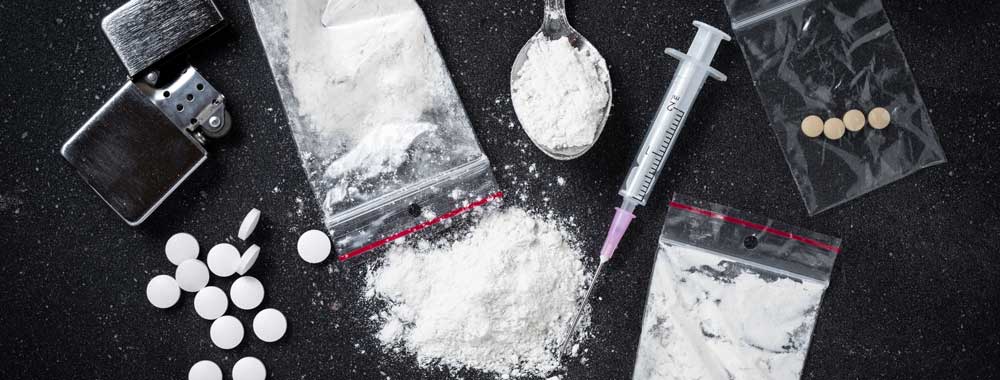
Meth is a powerful and highly-addictive stimulant that affects the central nervous system. Usually, it looks like a white, odorless powder that dissolves in alcohol or water. It’s usually made in small, secret laboratories using hazardous chemicals that are easy to source.
Compared to amphetamine (meth’s parent drug), greater amounts of meth reach the brain, making it a more potent drug. It’s effects on the central nervous system are also longer-lasting and more harmful than amphetamine’s effects. Although it’s classified by the U.S. Drug Enforcement Administration as a Schedule II stimulant, it’s one of the most commonly abused drugs in America.2
Related post: Meth Mouth: How Does Methamphetamine Addiction Affect Teeth?
What Does It Look Like When Someone is High On Meth?
You may not always be able to tell when a loved one is high on meth unless you pay close attention. The severity of the signs and symptoms they display are often dependent on how much meth they took. However, knowing the signs of meth use can help you identify it if a loved one is struggling.
Since meth is a stimulant, it will likely make a person more talkative and active than they normally are. They may also not have much of an appetite or they may have lost a significant amount of weight in a short time. A meth also produces strong euphoric feelings, so a person may seem very happy or jubilant for no apparent reason.
Those are just some of the immediate signs that someone might be using meth, but many symptoms of meth addiction and abuse develop over time as a person’s dependence on the drug increases.
If you think a loved one might be high on methamphetamine, he or she may display some of the following symptoms:3
- Hyperactivity
- Twitching, uncontrollable facial movements
- Dilated pupils
- Paranoia
- Rapid eye movement
- Agitation
- Outbursts or mood swings
- Impaired speech
What Are Signs of Meth Use?
Many people who use meth don’t just use it occasionally. More often than not, they quickly become addicted and start using it regularly. As a result, they typically experience withdrawal symptoms when they go too long without using meth. Although the signs of meth use can vary depending on how much the person used, how frequently they’re using it, and if they’re using any other drugs or alcohol with it, here are some of the most common physical and behavioral signs and symptoms of chronic meth use.4
Physical Signs
- Dilated pupils
- Hyperactivity
- Agitation
- Violent outbursts
- Twitching, uncontrollable or jerky movements
- Rapid eye movement
- Impaired speech
- Sudden weight loss
- Reduced appetite
- Rotting teeth
- Severe itching/sores on the skin
Behavioral Signs
- Paranoia
- Mood swings
- Erratic sleeping patterns
- Hallucinations
- Psychosis
- Extreme exhaustion
- Anxiety and insomnia that lasts several days (also known as “tweaking”)
- Being secretive
- Stealing money or valuable items
- Neglecting personal responsibilities
- Sudden change in friends, hobbies, or activities
- Avoiding family or friends
Symptoms of Meth Overdose
People can overdose on meth if the drug builds up in their body over an extended time. Also, since it’s an illegal drug, the potency of doses can vary. For example, one dose may seem equivalent to another, but since the ingredients might be different, it could be much more potent than anticipated.
Initially, a meth overdose might look the same as when someone is high on the drug. However, an overdose also typically causes an irregular or rapid heart beat in addition to the following symptoms:5
- Difficulty breathing
- Chest pain
- Confusion
- High or low blood pressure
- Seizure
- High body temperature
- Kidney failure
- Intense stomach pain
- Loss of consciousness
- Hyperactivity
- Aggressive behavior
- Paranoia
If you think a loved one is experiencing a meth overdose, you should seek emergency medical help right away.
Ready to talk to someone now? Briarwood Detox Center's admissions team is here 24/7, and every call is confidential. Call (866) 710-7710.Where we are
Detox centers across Texas
Three locations, each with its own admissions line and its own clinical team. Pick the one nearest you — or call and we will tell you which has a bed tonight.
-
 Inpatient
 Austin, TX
11711 N Lamar Blvd · 78753
- 15 beds
- On-site labs
- 24-hour medical staff
Drug & Alcohol Detox in Austin, TX
-
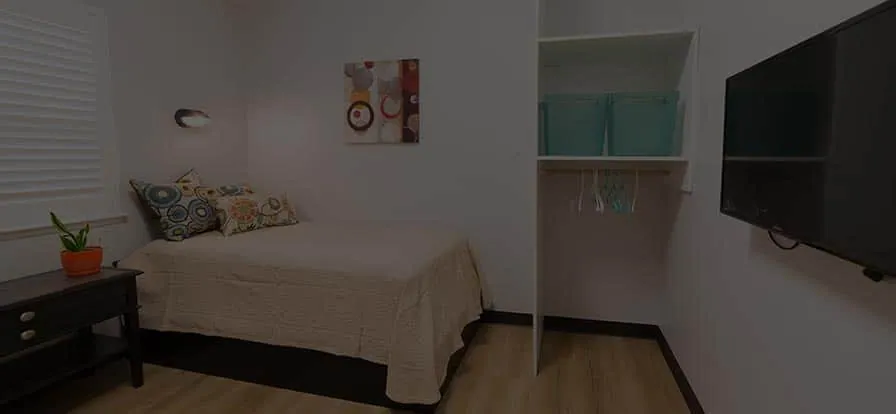 Inpatient
 Houston, TX
1019 Ashland St · 77008
- On-site labs
- 24-hour medical staff
Drug Detox Center in Houston, TX
-
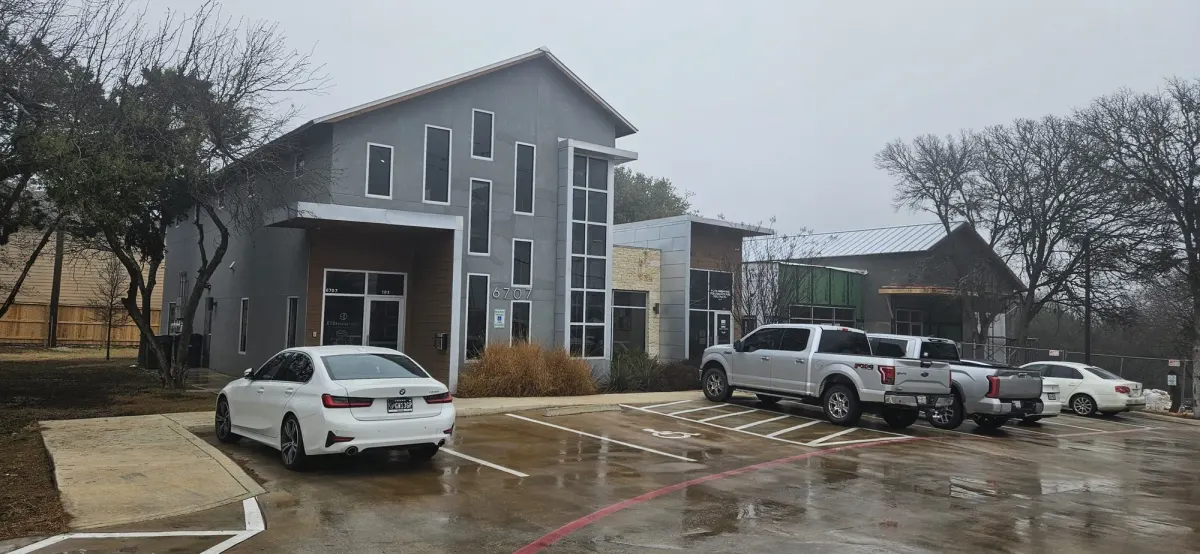 Outpatient
 San Antonio, TX
6707 W Hausman Rd · 78249
- Outpatient detox with scheduled medical visits
- Outpatient treatment
Outpatient Drug & Alcohol Detox in San Antonio
What to Do When a Loved One is Using Meth
So, maybe you’re fairly certain that your loved one is using meth. What should you do now? This is often a difficult question that requires careful consideration of the situation and the relationship you have with that person. Although you might be tempted to ignore the warning signs because you’re scared or uncertain, typically, that only causes more problems. Instead, lovingly addressing your friend or family member’s meth abuse is often a good way to help them recognize they need help.
When you’re ready to take action, here are several important steps you should take:
- Explore treatment options. Do your research and locate several detox programs and rehab centers that you can share with your loved one. While you’re searching, make sure to look for licensed and accredited facilities that use evidence-based treatment methods. You should also take a look at reviews from previous clients and their family members.
- Lovingly talk to your loved one. Address your loved one in a calm and loving manner. Don’t blame, judge, or accuse them of anything. Instead, calmly describe why you are concerned about them and explain how their drug abuse has negatively affected your relationship. You can also explain why you think meth addiction treatment might be helpful and introduce the treatment options you believe might work well for them.
- Provide support however you can. You can also offer to provide support in other ways, such as giving them a ride to the treatment center, helping them pack for detox and rehab, or offering financial assistance if you are able. If they choose to go to treatment, you can also participate in family therapy sessions with them, visit them regularly (if allowed), or write them letters while they’re in rehab to encourage them.
- Seek professional help if they refuse to acknowledge the problem. If your initial conversation with your loved one does not go as planned, you can work with a professional interventionist to plan an intervention. Mutual family members and close friends can also join in to help your loved one see how their meth abuse is damaging their relationships.
- Get help for yourself. Finding out that a loved one is abusing meth can be very stressful and concerning. If your loved one is addicted, you are no doubt worried, scared, angry, frustrated, or a variety of other feelings. It’s important to get help for yourself so you can learn how to cope with these challenging emotions. You cannot help your loved one if you’re not caring for yourself. So seek support through a counselor, therapist, or a community support group such as Nar-Anon.
What is the Best Treatment for Meth Addiction?
According to the National Institute on Drug Abuse (NIDA), the most effective treatments for meth addiction are behavioral therapies and contingency management interventions.6
- Behavioral therapies: Research shows that a mixture of behavioral therapy, family education, individual counseling, 12-Step support, drug testing, and encouraging non-drug-related activities is effective in reducing meth abuse.7,8
- Contingency management: These types of interventions provide individuals with tangible incentives in exchange for treatment engagement and sobriety maintenance. Research has also proven this type of treatment to be effective for meth addiction.9
- Medication-assisted treatment: Currently, there are no medications that have been proven to counteract the side effects of meth abuse or that help people sustain their sobriety after recovering from meth addiction. However, medication-assisted treatment can be used to help people detox from meth more comfortably in a clinical environment.
How Meth Detox Works
If your loved one is severely addicted to meth, he or she might need to start treatment with a medical detox program. Although there is no official detox program for meth, safe, medical observation is typically recommended for people who are heavily addicted. It’s very difficult to stop using meth once you’re addicted, but professional medical assistance can help prevent relapse and ensure the individual’s safety.
Although meth withdrawal doesn’t usually produce life-threatening physical symptoms, the individual may experience severe depression or psychotic symptoms during the acute withdrawal phase. These symptoms usually resolve within a week. Strong cravings are also common and they can last for five weeks or longer. Having professional medical support and treatment will help individuals cope with these meth withdrawal symptoms.10
After meth detox, your loved one’s treatment team will provide professional recommendations for ongoing care. If your loved one chooses to follow those recommendations, he or she may attend residential rehab, outpatient rehab, or a sober living program. His or her treatment team can help make arrangements for travel and enrollment in a rehab, aftercare, or sober living program.
Related post: What Are Meth Sores?
Start Recovering From Meth Addiction Today
Finding out that a loved one is abusing meth can be a difficult reality to face. However, you should know that the appropriate treatment and care are available now to help your loved one.
At Briarwood Detox Center, our team of licensed addiction treatment experts can help your loved one safely and comfortably detox from meth to begin a new life in recovery. We’ll provide individualized treatment and support as your loved one regains a clear mind and a healthy body. We can also connect you with a professional interventionist if you need help getting your loved one into detox. Please call (866) 710-7710 or contact us online to get started.
References:
- SAMHSA
- NIDA
- What are long term effects methamphetamine misuse (NIDA)
- Signs of a meth overdose and what to do (WebMD)
- NIDA
- PubMed
- PubMed
- PubMed
- NIH
Ready to Start Your Recovery in Austin?
Briarwood Detox Center offers medically supervised detox in Austin. Explore our locations, see the facility, and verify your insurance in minutes.
See our locationsRelated guides


In network with most major insurance
Find your plan and see what detox would cost
Most plans cover medical detox. Coverage varies by plan, so we verify it for you before you commit to anything.












Don't see your plan? We work with out-of-network benefits and offer self-pay options — (866) 710-7710
- Confidential
- Takes about 2 minutes
- No obligation to admit
- Accredited The Joint Commission
- Rated 4.7 · 182 Google reviews Flourishing Foundations Recovery, now part of Briarwood
- Admissions 24 hours a day