
Guide
Prozac and Bipolar: What to Know in Austin, TX
Joint Commission accredited · In network with most major insurance · Admissions answered 24 hours a day


Published November 18, 2025
Reviewed and updated July 29, 2026
Key Takeaways · 8 points
- Fluoxetine isn’t “bad” by default if you’re bipolar—risk rises when it’s used alone. Used with a mood stabilizer or an atypical antipsychotic, it can help bipolar depression in select cases.
- When fluoxetine is considered, it’s often paired with olanzapine or a mood stabilizer for safety and effect. Combination therapy (e.g., the olanzapine‑fluoxetine option) is one evidence‑based path for acute bipolar I depression.
- Pairing an antidepressant with a mood stabilizer is linked to a lower chance of switching into mania than antidepressant monotherapy. Monitoring still matters, especially early in treatment or after dose changes.
- Watch for activation signs—reduced need for sleep, racing thoughts, and risk‑taking—and contact your prescriber promptly. These symptoms can signal emerging hypomania or mania and warrant quick medical guidance.
- Avoid alcohol and stimulants while on fluoxetine; supervised detox improves safety and diagnostic clarity. Substance use can worsen mood instability and blur the picture during medication decisions.
- If you’re seeking substance abuse treatment in Austin, TX, Briarwood Detox Center provides 24/7 medical detox with dual‑diagnosis support. Our team coordinates around psychiatric medications like fluoxetine during withdrawal.
- During detox at Briarwood, expect medication reconciliation, continuous symptom monitoring, and a planned step‑down. This structure helps you move safely to ongoing care with your outpatient prescriber.
- Base decisions on evidence and regulatory guidance—not anecdotes. Reviewing trials, labels, and clinical recommendations with your clinician helps balance benefits and risks for your situation.
Break Free from Addiction. Detox Safely in Austin Today.
Medically Supervised Detox – Compassionate Care Starts Here.
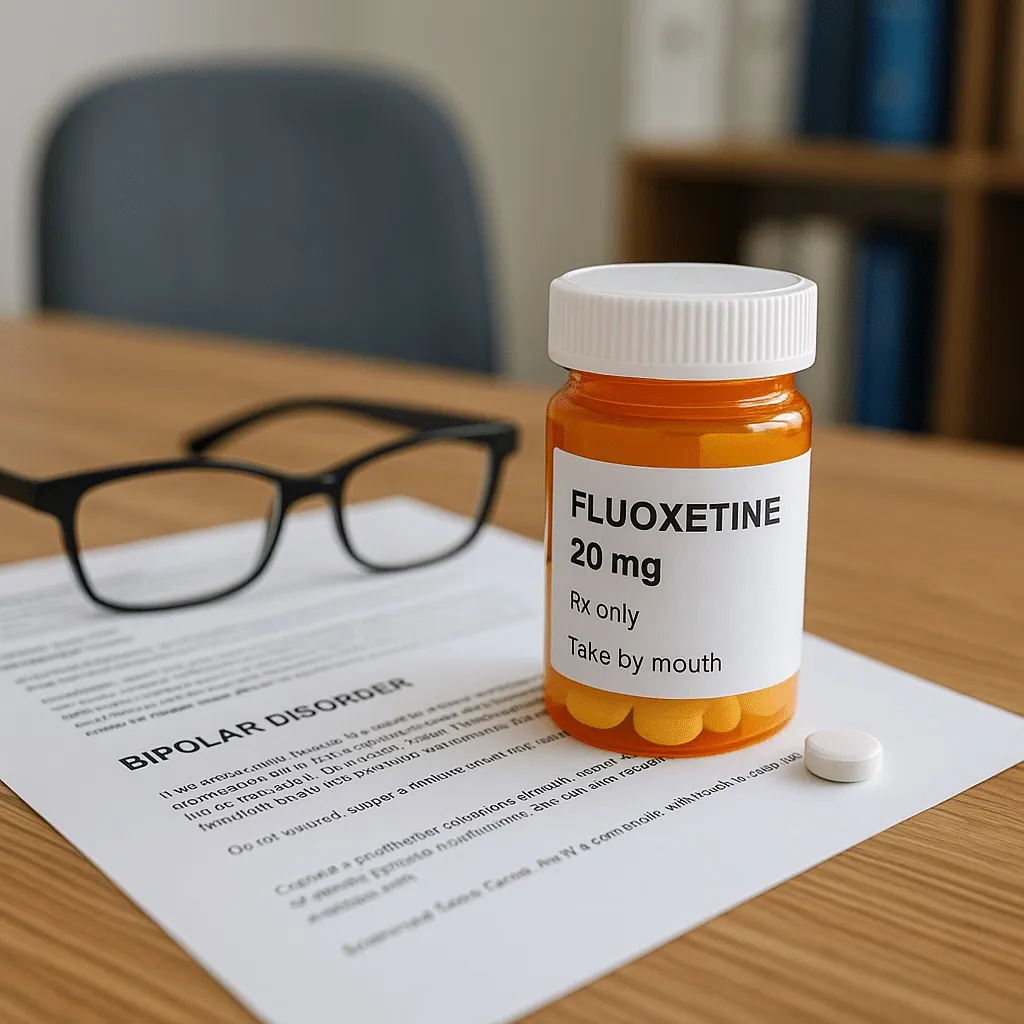
People ask this often: “How bad is it to take Prozac if I’m bipolar?” The short answer is that fluoxetine (Prozac) can help some people with bipolar depression, but taking it alone may raise the risk of switching into mania or hypomania. Clinical guidelines and FDA labeling support its use with a mood stabilizer or an atypical antipsychotic—not as stand‑alone treatment for most people with bipolar I.


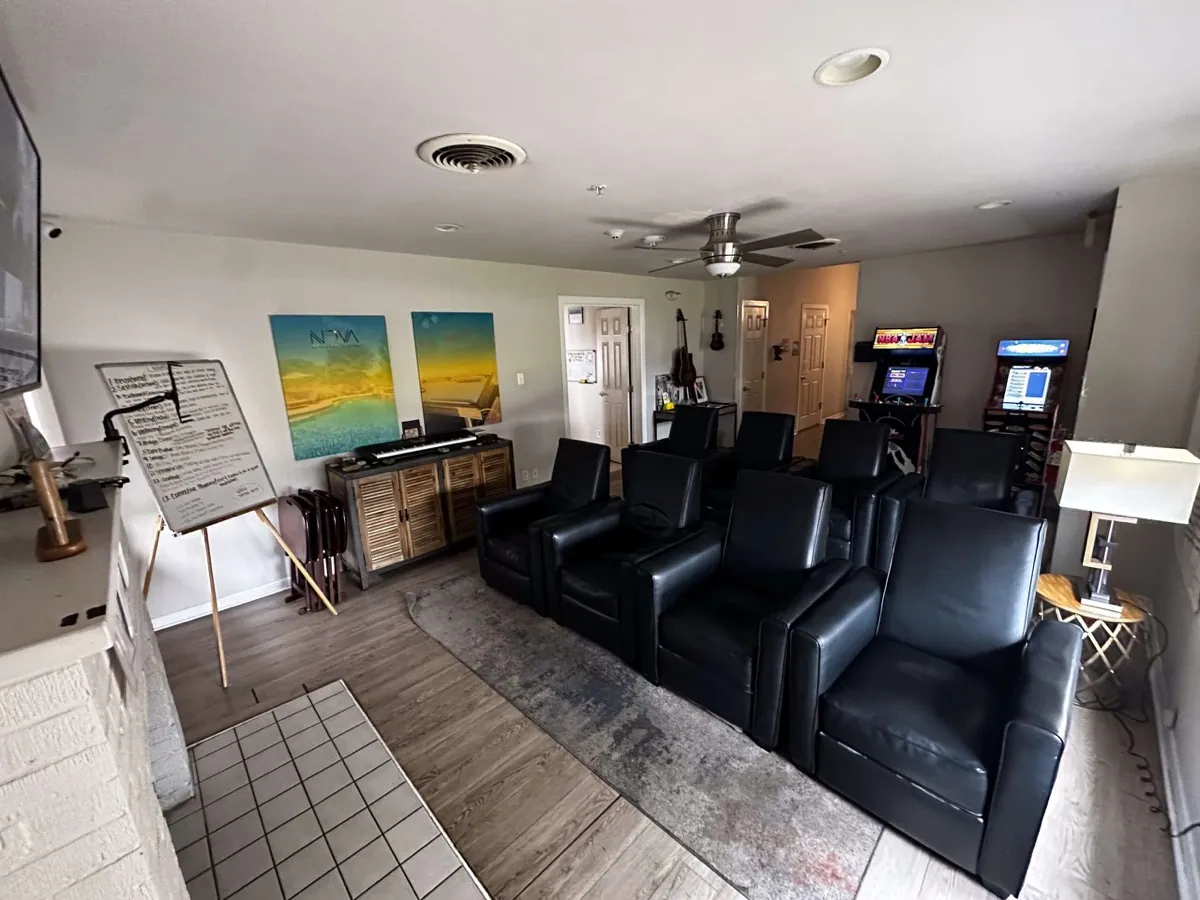

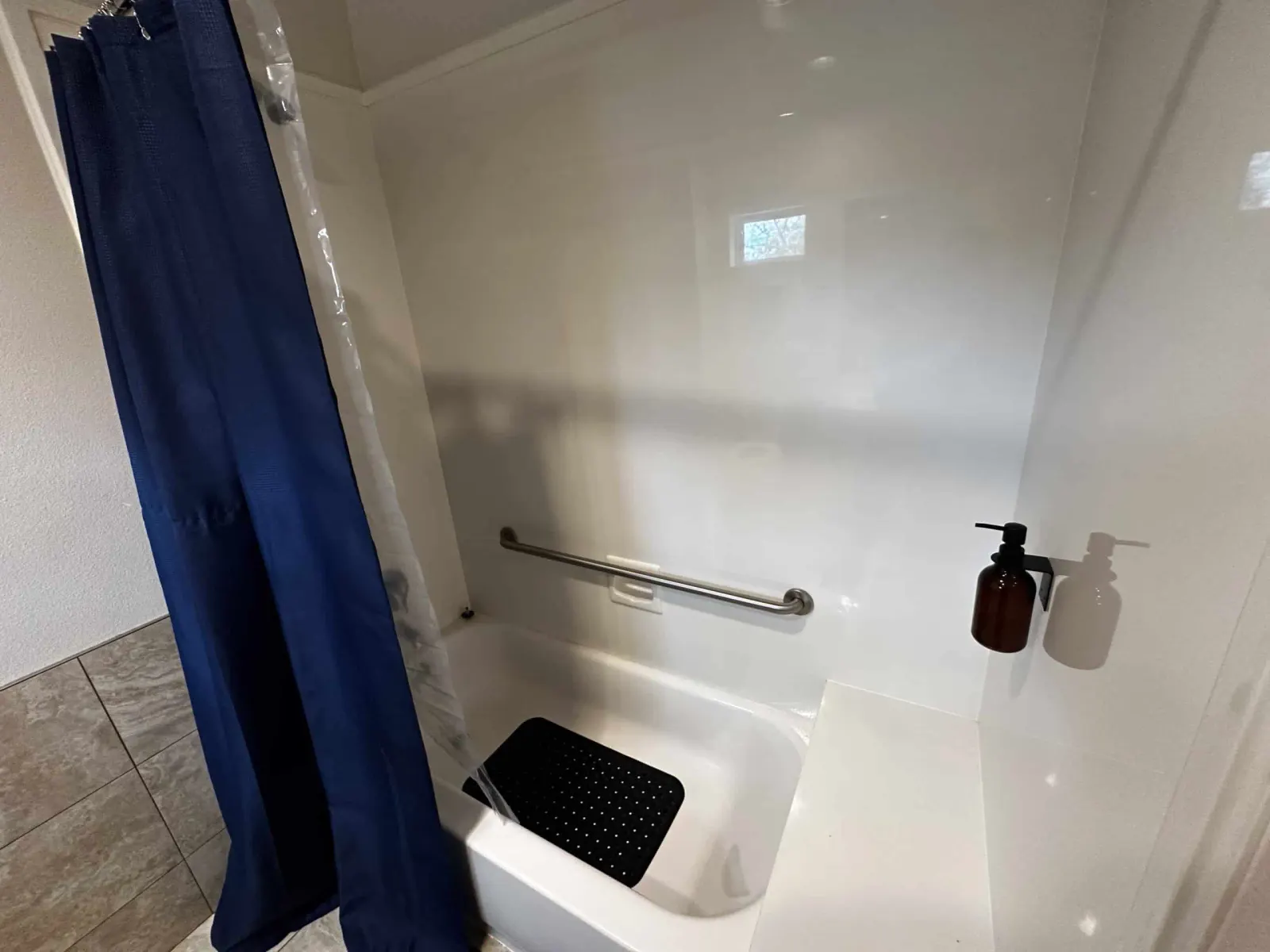
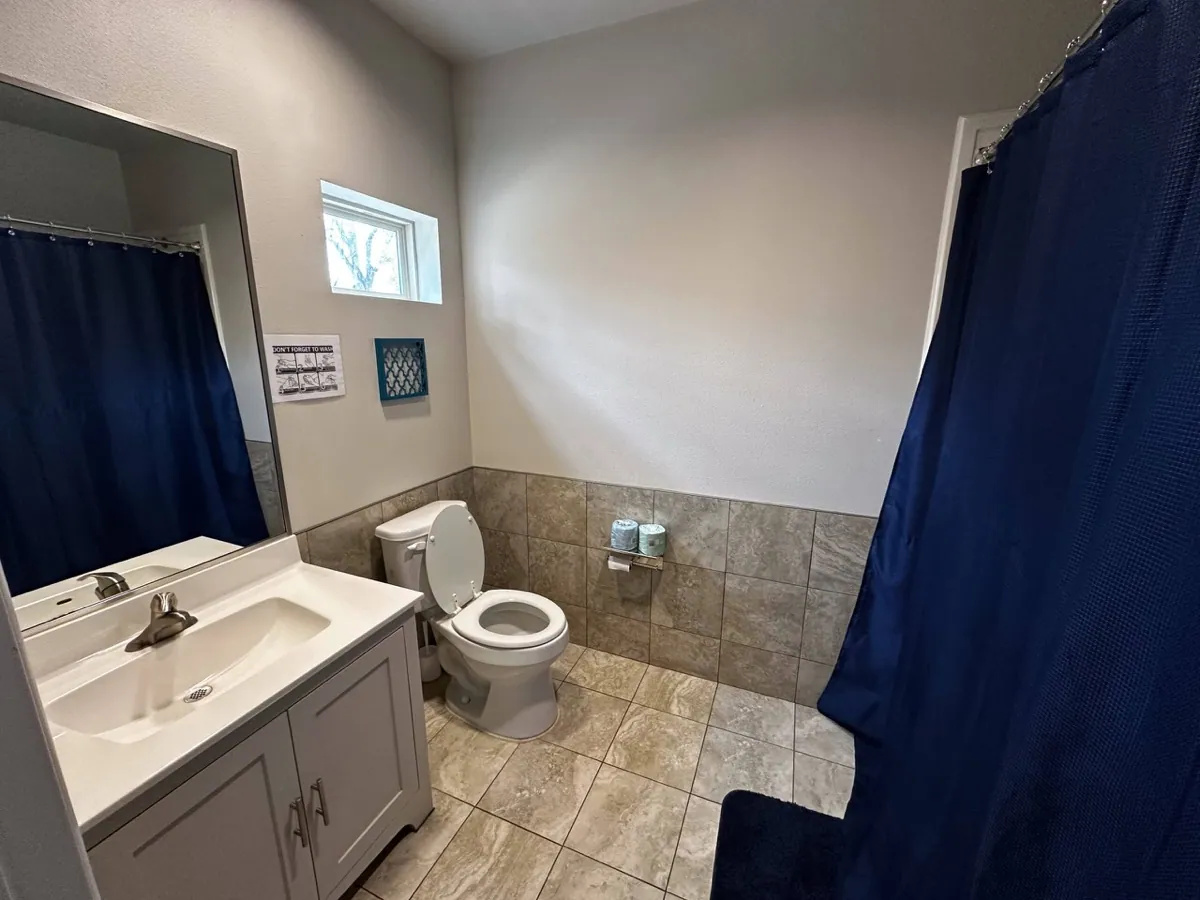
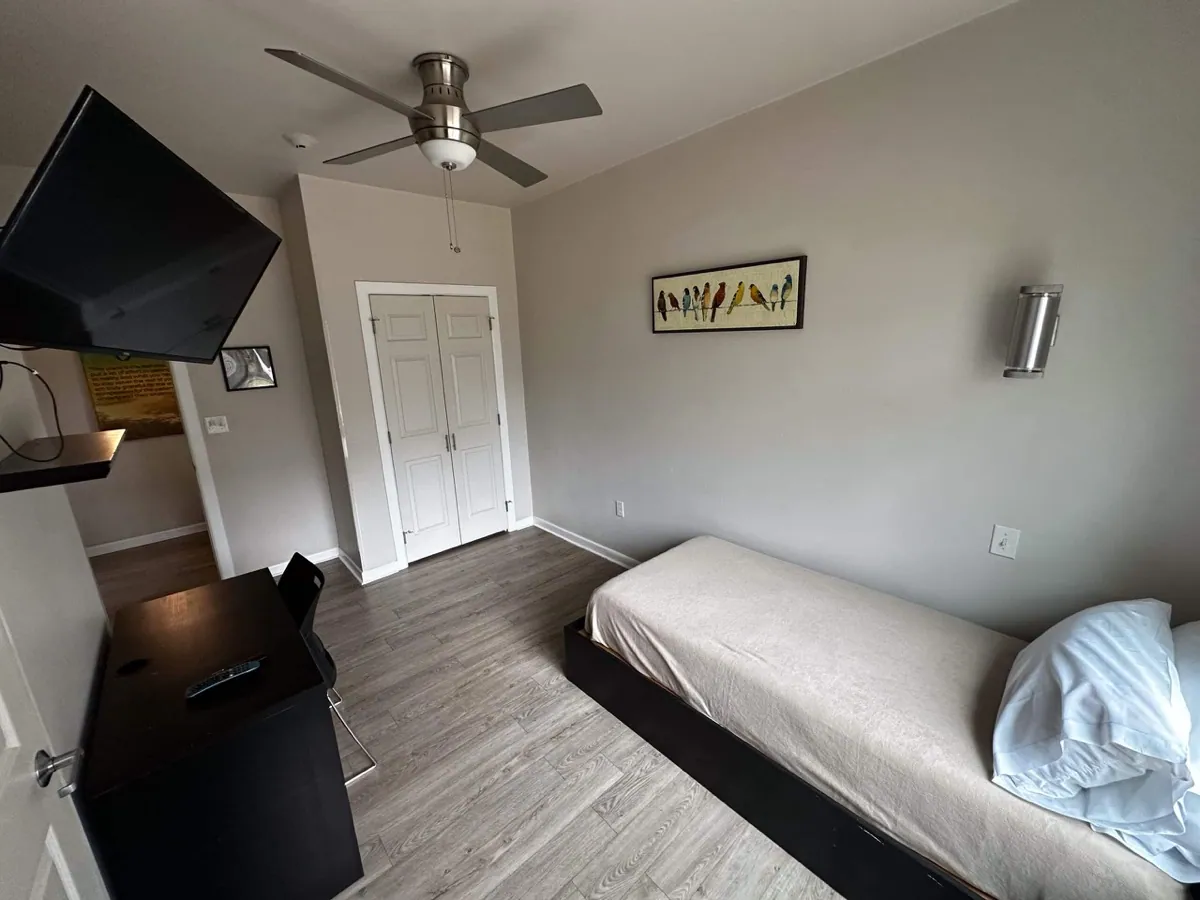
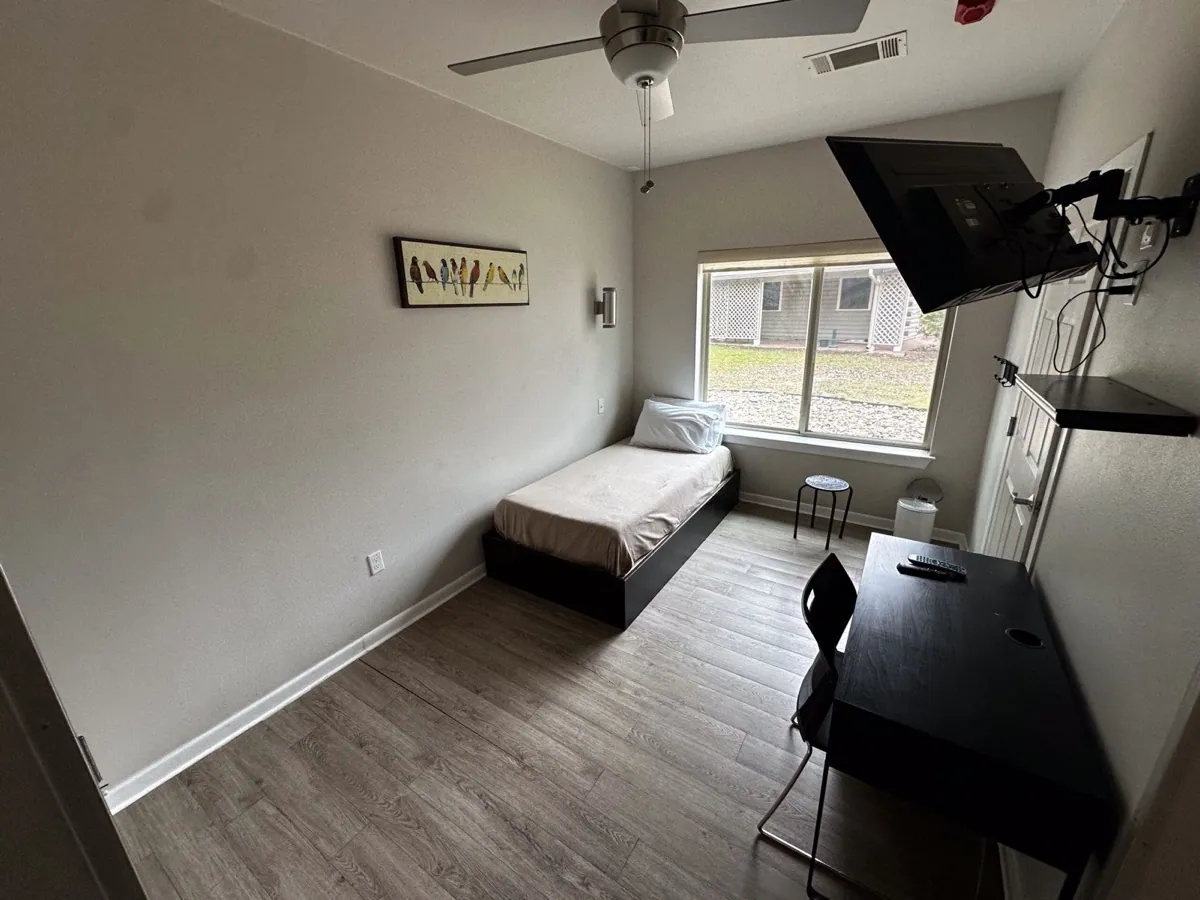



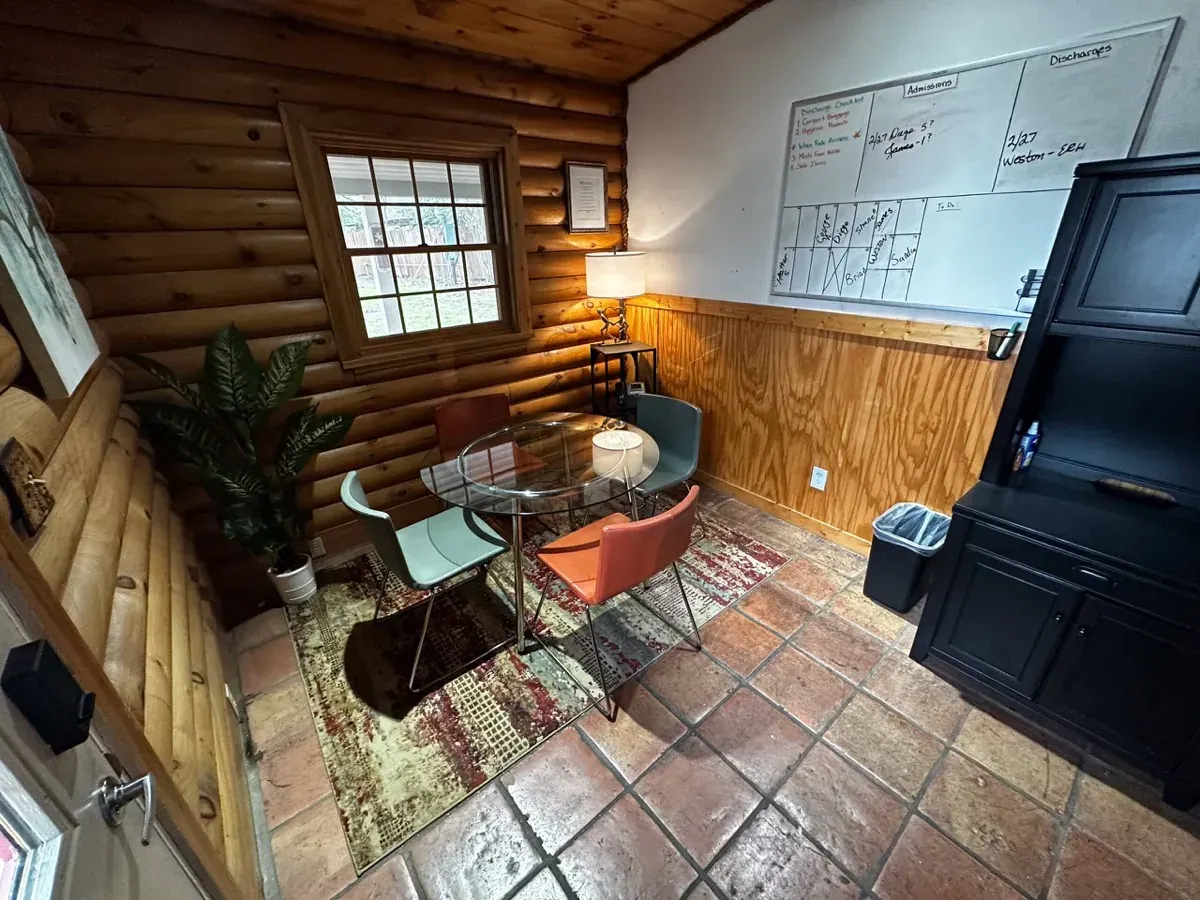
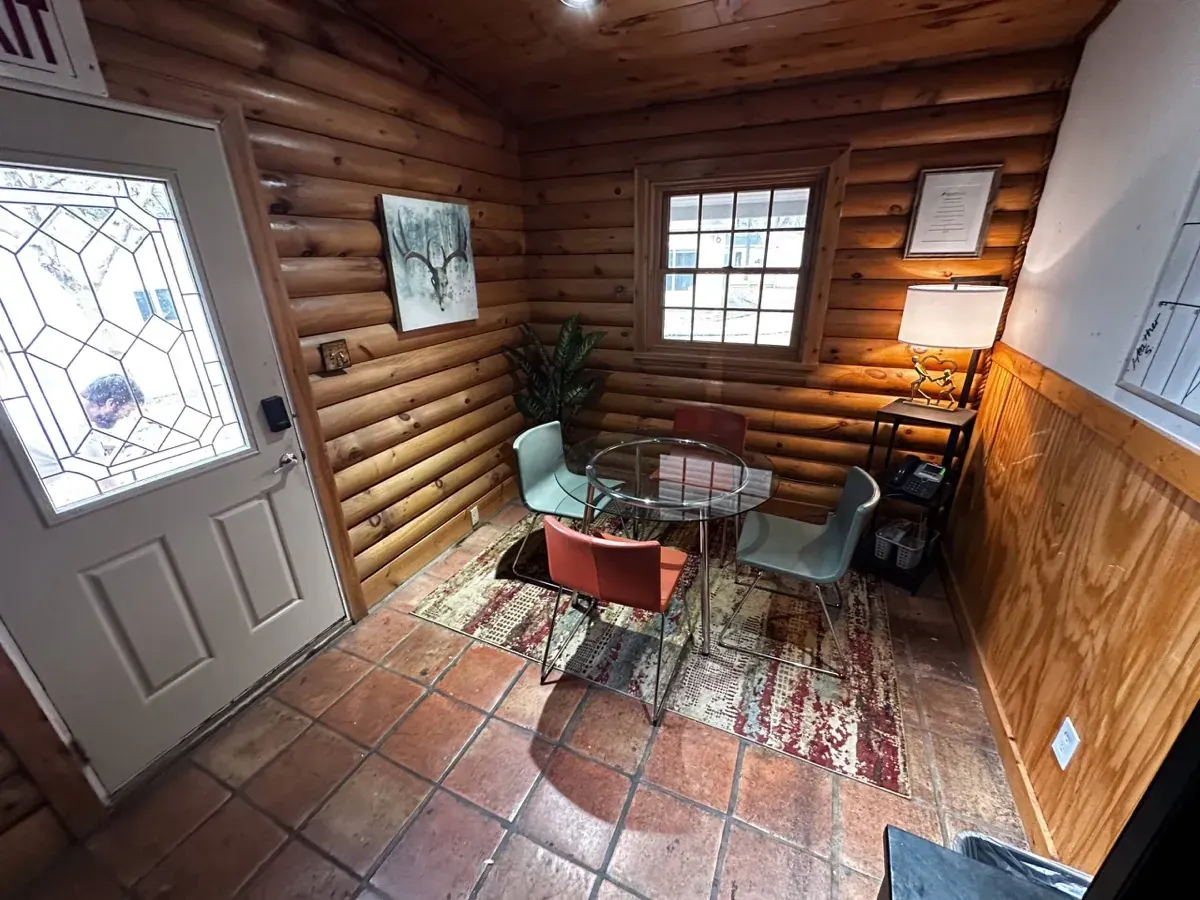



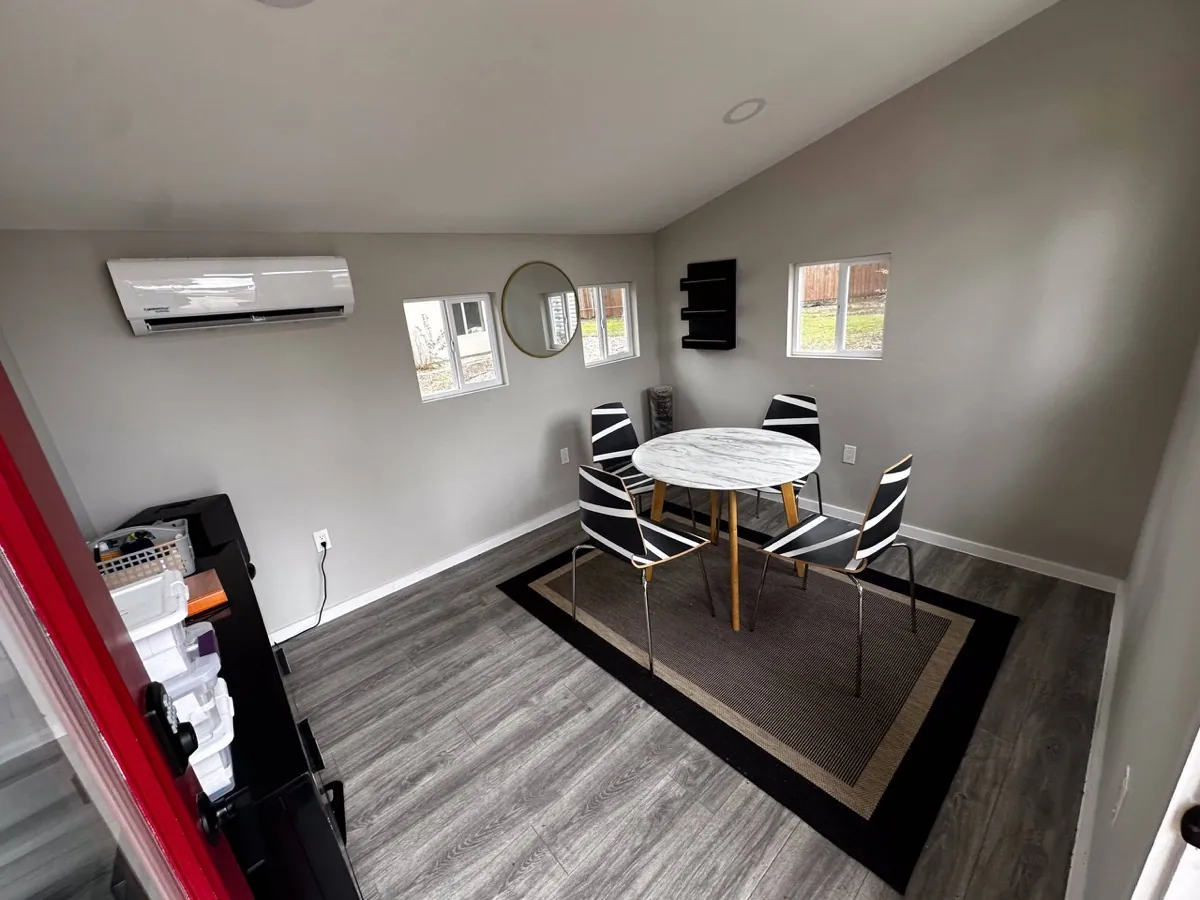




For a broader look at how fluoxetine (Prozac) works, side effects, withdrawal and how it compares with Xanax, read our full Prozac (fluoxetine) guide.
At Briarwood Detox Center in Austin, we coordinate closely with prescribing clinicians to keep you safe during detox and early stabilization, especially if you take psychiatric medications like fluoxetine. Learn more about our Austin programs: Briarwood Detox Center in Austin.
How We Synthesized the Top Results (What They Agree On)
Key takeaways across leading sources
- Antidepressant monotherapy is discouraged in bipolar I or mixed features; risk of mood switching is the concern.
- Fluoxetine can be appropriate in combination therapy—notably with olanzapine (Symbyax), which is FDA‑approved for acute bipolar depression.
- When paired with a mood stabilizer, switch risk appears lower than with antidepressants alone.
- Clinician and patient monitoring is essential because SSRIs can still precipitate activation or mania in susceptible individuals.
Fluoxetine (Prozac) in Bipolar Disorder: The Basics
What fluoxetine does
Fluoxetine is a selective serotonin reuptake inhibitor (SSRI). It raises serotonin signaling to ease depressive symptoms. For bipolar disorder, the concern is that increasing activation without mood stabilization can push some patients toward hypomania or mania.
Why monotherapy is risky
Guidelines advise against SSRI monotherapy for bipolar I or mixed features. Clinicians prefer combining antidepressants with mood stabilizers (e.g., lithium, valproate) or atypical antipsychotics. This approach reduces the chance of mood switching.
Where we are
Detox centers across Texas
Three locations, each with its own admissions line and its own clinical team. Pick the one nearest you — or call and we will tell you which has a bed tonight.
-
 Inpatient
 Austin, TX
11711 N Lamar Blvd · 78753
- 15 beds
- On-site labs
- 24-hour medical staff
Austin Medical Detox & Medication Coordination
-
 Outpatient
 San Antonio, TX
6707 W Hausman Rd · 78249
- Outpatient detox with scheduled medical visits
- Outpatient treatment
San Antonio Outpatient Detox for Co‑Occurring Needs
-
 Inpatient
 Houston, TX
1019 Ashland St · 77008
- On-site labs
- 24-hour medical staff
Houston Drug & Alcohol Detox — 24/7 Care
Is It “Bad” to Take Prozac if I’m Bipolar?
The balanced answer
- Not automatically bad. Fluoxetine can help with bipolar depression in carefully selected patients.
- Potential problems arise when it’s used alone or when there’s a history of manic episodes, rapid cycling, or mixed features.
When it may be appropriate
- Olanzapine + fluoxetine is an FDA‑approved option for acute bipolar I depression and has shown stronger improvement than olanzapine alone in trials.
- Clinicians often pair antidepressants with mood stabilizers to hedge against activation. Observational data support a lower switch risk with this strategy.
When to be cautious or avoid
- Bipolar I with recent mania or mixed episodes.
- Adolescents and young adults (higher activation/switching risk).
- Significant substance use, which can destabilize mood and interact with meds.
Evidence Highlights
Randomized trials
In an 8‑week study of acute bipolar depression, olanzapine‑fluoxetine produced greater symptom reduction than olanzapine alone or placebo. This supports combination use when bipolar depression is the target.
Regulatory labeling
The FDA recognizes olanzapine‑fluoxetine for acute bipolar I depression in adults; dosing and safety considerations are specified in the label.
Population‑level data
A large registry analysis found no increase in mania when antidepressants were used with a mood stabilizer, underscoring the importance of combination therapy.
Clinical guidance
Primary‑care and psychiatric references emphasize avoiding SSRI monotherapy in bipolar I or mixed states and monitoring closely for activation.
Fluoxetine, Alcohol, and Other Substances: Why Detox Matters
Mixing alcohol or stimulants with fluoxetine may worsen insomnia, agitation, and impulsivity, and it can complicate medication decisions. During detox, people sometimes experience mood swings. Having clinicians who understand both withdrawal and bipolar symptoms helps prevent missteps, like confusing stimulant crash with depression or mistaking early activation for relapse.
Break Free from Addiction. Detox Safely in Austin Today.
Medically Supervised Detox – Compassionate Care Starts Here.
Side Effects and Red Flags to Discuss With Your Clinician
Common effects
Nausea, headache, sleep changes, and sexual side effects are reported with SSRIs like fluoxetine. Many improve over time.
Activation or switching
Watch for increased energy with less sleep, racing thoughts, irritability, or risk‑taking. These can signal emerging hypomania or mania—call your prescriber promptly.
Serotonin syndrome (rare)
Symptoms can include agitation, sweating, tremor, and confusion—especially when combined with other serotonergic agents. Immediate medical evaluation is warranted.
Substance Abuse Treatment in Austin, TX: How Briarwood Helps
If you’re searching for “substance abuse treatment Austin TX,” “drug treatment centers in Austin,” “austin drug treatment centers,” or “drug treatment centers Austin Texas,” you likely need two things: a safe medical detox and careful coordination around mental health medications such as fluoxetine.
- Start here: Briarwood Detox Center in Austin — individualized medical detox with 24/7 care.
- Expect a simple, private intake: Admissions—Beds Available Today.
- Unsure about coverage? Use our confidential insurance verification.
In detox, our team monitors vital signs, withdrawal symptoms, sleep, and mood. If you’re on fluoxetine, we coordinate with your prescribing clinician to decide whether to continue, adjust, or temporarily hold medication while keeping you stable.
What to Expect at Briarwood if You’re Taking Fluoxetine
1) Medical assessment
We review your bipolar history, prior manic episodes, current medications (including fluoxetine), and recent substance use. This helps distinguish withdrawal symptoms from mood symptoms.
2) Medication coordination
We collaborate with your prescriber. If fluoxetine is part of your plan, it is never managed in isolation from mood stabilizers or antipsychotics when bipolar I is present. Safety and symptom tracking guide every change.
3) Monitoring & comfort care
Round‑the‑clock nursing checks for sleep, appetite, restlessness, and early activation. The goal is a calm, steady transition to the next level of care.
4) Transition planning
We coordinate step‑down care and share detailed medication information with your outpatient team so treatment remains consistent.
Clinical Questions We Hear (Neutral, Evidence‑Based Answers)
Does fluoxetine always cause mania in bipolar disorder?
No. Not everyone switches, and risk varies by history and medication mix. The risk is higher with antidepressant monotherapy and in some younger patients. Combining with a mood stabilizer or antipsychotic reduces the risk.
Is Symbyax different from Prozac alone?
Yes. Symbyax is a fixed‑dose combination of olanzapine + fluoxetine and is FDA‑approved for acute bipolar I depression in adults. It is not the same as fluoxetine by itself.
What if I’m using alcohol or stimulants?
Substances can amplify sleep loss, agitation, and mood swings. A medical detox first, followed by integrated care, is the safest route. We can help you plan that.
Could stopping fluoxetine be dangerous?
Because fluoxetine has a long half‑life, discontinuation effects are often milder than with other SSRIs, but any medication change should be guided by your prescriber—especially in bipolar disorder.
Why Choose Briarwood Detox Center in Austin
- Medical detox with 24/7 care for alcohol and drugs, tailored to your health status.
- Dual‑diagnosis support focused on stabilizing mood and substance use together.
- Clear, fast admissions and insurance help to reduce barriers to care.
If you’re navigating bipolar symptoms, fluoxetine use, and substance withdrawal, our Austin team can help you take the next step safely. Call our admissions team today at (866) 710-7710.
How Briarwood Detox Center Supports Fluoxetine Support During Medical Detox in Austin, TX
Briarwood Detox Center offers medically supervised detox for people who take fluoxetine or are considering changes to their medications. Our Austin team provides 24/7 nursing, physician oversight, and careful monitoring of sleep, mood, and vital signs. We reconcile your prescriptions on admission and coordinate with your prescriber to decide whether to continue, taper, or hold fluoxetine during withdrawal. If you’re searching for substance abuse treatment Austin TX, our program gives you a safe, private setting to stabilize first. We manage withdrawal discomfort, track activation risks like restlessness or reduced sleep, and respond quickly if symptoms change. The care plan is individualized and includes dual‑diagnosis support for bipolar symptoms and co‑occurring substance use. We also handle insurance verification and plan a warm handoff to outpatient care in the Austin area. Briarwood Detox Center keeps the process clear, structured, and connected to your long‑term treatment.
Fluoxetine (Prozac) & Bipolar: Frequently Asked Questions
Can Prozac (fluoxetine) make bipolar disorder worse?+–
Yes—especially if it’s used alone. Antidepressant monotherapy can raise the chance of switching into mania or hypomania. Screening and close monitoring are advised. Using an antidepressant with a mood stabilizer reduces this risk in many patients.
Is fluoxetine used to treat bipolar depression?+–
Fluoxetine by itself is not approved for bipolar depression, but the combination of olanzapine + fluoxetine (brand: Symbyax) is FDA‑approved for acute bipolar I depression in adults.
What is Symbyax and how is it different from Prozac?+–
Symbyax is a single capsule that combines olanzapine (an atypical antipsychotic) and fluoxetine (an SSRI). It’s approved for acute bipolar I depression, while fluoxetine alone is not.
Can antidepressants trigger mania in bipolar disorder?+–
They can. Observational registry data show higher mania risk with antidepressant monotherapy, but no increased risk when the antidepressant is paired with a mood stabilizer.
How long does fluoxetine take to work?+–
Many people begin to notice benefits in several weeks, and the full effect may take 4–5 weeks or longer. Do not stop the medication without medical guidance.
Can I drink alcohol while taking fluoxetine?+–
It’s best to avoid alcohol. Mixing alcohol with medicines can amplify side effects and impair judgment and coordination.
What signs suggest fluoxetine is causing activation or hypomania?+–
Watch for reduced need for sleep, racing thoughts, unusual energy, irritability, or impulsivity. Contact your prescriber promptly if these occur.
Is it safe to stop fluoxetine suddenly?+–
No. Even with fluoxetine’s long half‑life, stopping abruptly can cause withdrawal symptoms; always consult your clinician before making changes.
Can fluoxetine be taken with a mood stabilizer?+–
Yes. In bipolar disorder, antidepressants—when used—are typically combined with a mood stabilizer or atypical antipsychotic to reduce switch risk.
I’m on fluoxetine and also using alcohol or other substances—what should I do first?+–
Begin with medical detox in a setting that coordinates closely around your psychiatric medications. At Briarwood, our Austin team provides 24/7 monitoring, medication reconciliation, and collaboration with your prescriber so you can stabilize safely and plan next steps. Call our admissions team today at (866) 710-7710.
Where can I find substance abuse treatment in Austin, TX if I’m taking fluoxetine?+–
Choose a program that offers dual‑diagnosis support and medication coordination. Briarwood Detox Center in Austin provides supervised detox, continuous assessment for activation or withdrawal, and a warm handoff to ongoing care. Call our admissions team today at (866) 710-7710.
Related guides


In network with most major insurance
Find your plan and see what detox would cost
Most plans cover medical detox. Coverage varies by plan, so we verify it for you before you commit to anything.

















Don't see your plan? We work with out-of-network benefits and offer self-pay options — (866) 710-7710
- Confidential
- Takes about 2 minutes
- No obligation to admit

- Accredited The Joint Commission
- Rated 4.5 · 94 Google reviews
- Admissions 24 hours a day