
Guide
Quitting Alcohol While Taking Lorazepam: Safer Next Steps in Austin
Joint Commission accredited · In network with most major insurance · Admissions answered 24 hours a day


Published January 27, 2026
Reviewed and updated July 29, 2026
Break Free from Addiction. Detox Safely in Austin Today.
Medically Supervised Detox – Compassionate Care Starts Here.
If you take lorazepam (brand name Ativan) and you also drink alcohol, safety can feel confusing fast. Many people search “alcohol and ativan” or “alcohol and lorazepam” because they want clear, practical guidance.
If you are in the Austin area and you want structured support, start with drug and alcohol detox in Austin to understand what medical care can include.
Lorazepam is a benzodiazepine that can slow the central nervous system. Alcohol is also a depressant. When those effects overlap, risks like heavy sedation and slowed breathing can rise.
This article is for education, not personal medical advice. If someone is hard to wake, breathing is slow, or confusion is severe, call 911.








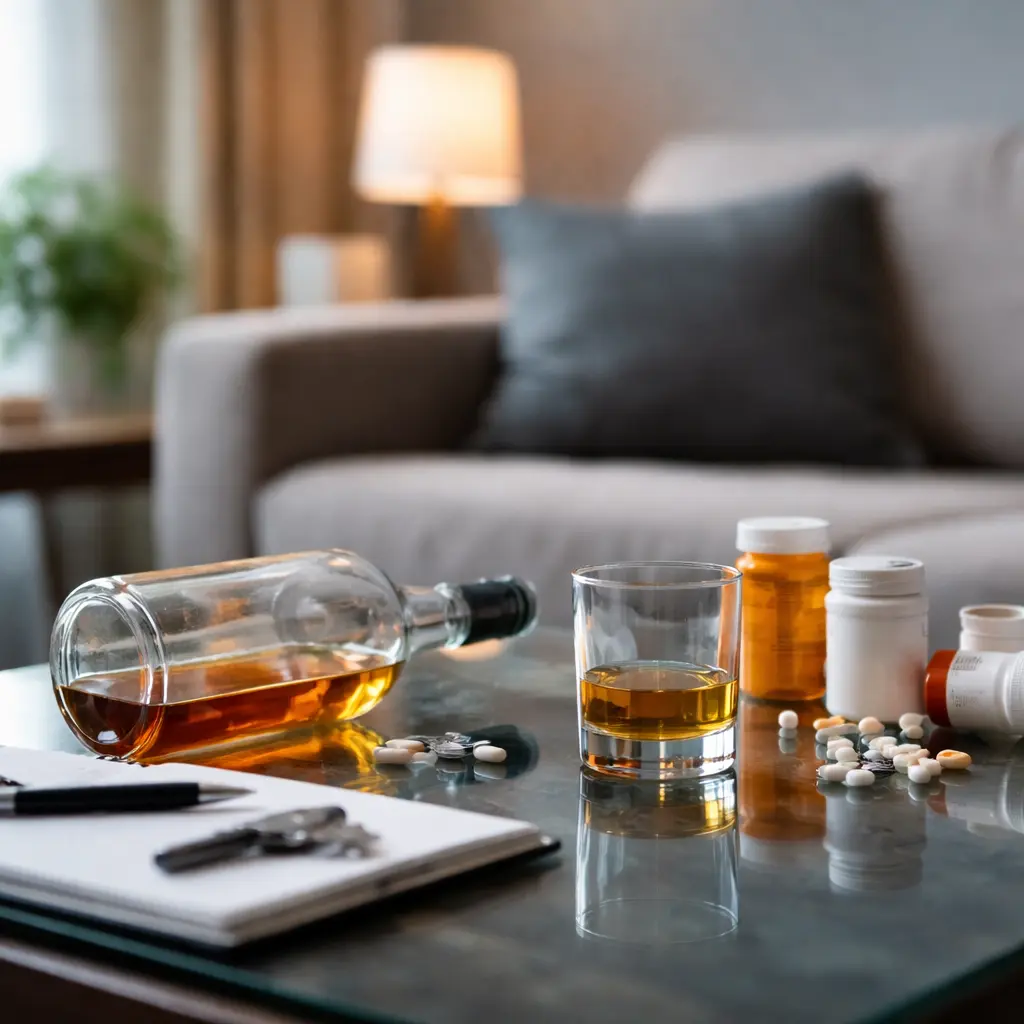
Why lorazepam changes your plan to stop drinking
Lorazepam and alcohol affect similar systems
Lorazepam works by increasing calming signals in the brain. Alcohol can create a similar “slowing” effect, which is why the combination is flagged as risky on many medication warnings. The National Institute on Alcohol Abuse and Alcoholism notes that mixing alcohol with medicines can increase drowsiness, fainting, loss of coordination, and breathing problems.
For a plain-language overview, review NIAAA guidance on harmful alcohol–medication interactions.
Stopping alcohol can still trigger withdrawal
Taking lorazepam does not “cancel out” alcohol withdrawal. If your body is used to daily or heavy drinking, withdrawal can begin within hours after your last drink and can become dangerous. If your main question is timing, see how long alcohol withdrawal lasts for a detailed alcohol withdrawal time frame.
The key point is this: it is risky to guess what will happen based on willpower alone. A safer plan uses medical guidance, honest information, and support.
A quick self-check for higher-risk withdrawal
Risk factors that raise concern
If you are prescribed lorazepam and you want to stop drinking, start by checking your risk level. These factors can increase the chance of severe withdrawal or medical complications:
- Daily drinking for weeks or months, especially if you drink in the morning to feel “normal.”
- A past alcohol withdrawal seizure, delirium tremens (DTs), or hallucinations when you tried to stop.
- High blood pressure, heart disease, liver disease, or untreated sleep apnea.
- Using more lorazepam than prescribed, running out early, or taking it to “take the edge off” drinking.
- Mixing alcohol with other sedatives, sleep aids, opioids, or strong cough medicines.
Red-flag symptoms that need urgent care
Get emergency help now if any of the following happen: seizures, severe confusion, blue or gray lips, very slow breathing, chest pain, or repeated vomiting with dehydration. If you are unsure, it is safer to be evaluated than to wait.
If you are not in immediate danger but you feel shaky, sweaty, panicky, or unable to sleep, treat that as a signal to get medical advice the same day. Alcohol withdrawal is unpredictable, and it can change quickly.
Where we are
Detox centers across Texas
Three locations, each with its own admissions line and its own clinical team. Pick the one nearest you — or call and we will tell you which has a bed tonight.
-
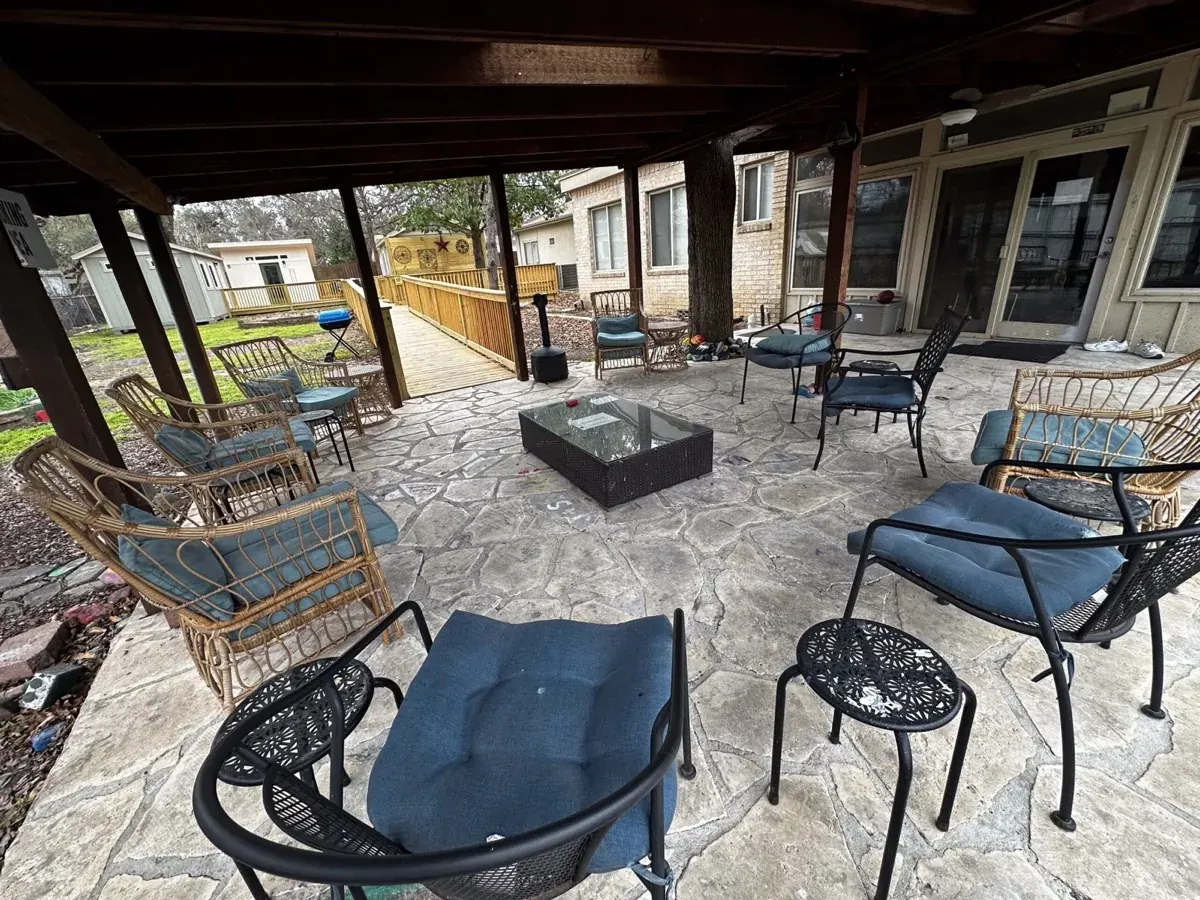
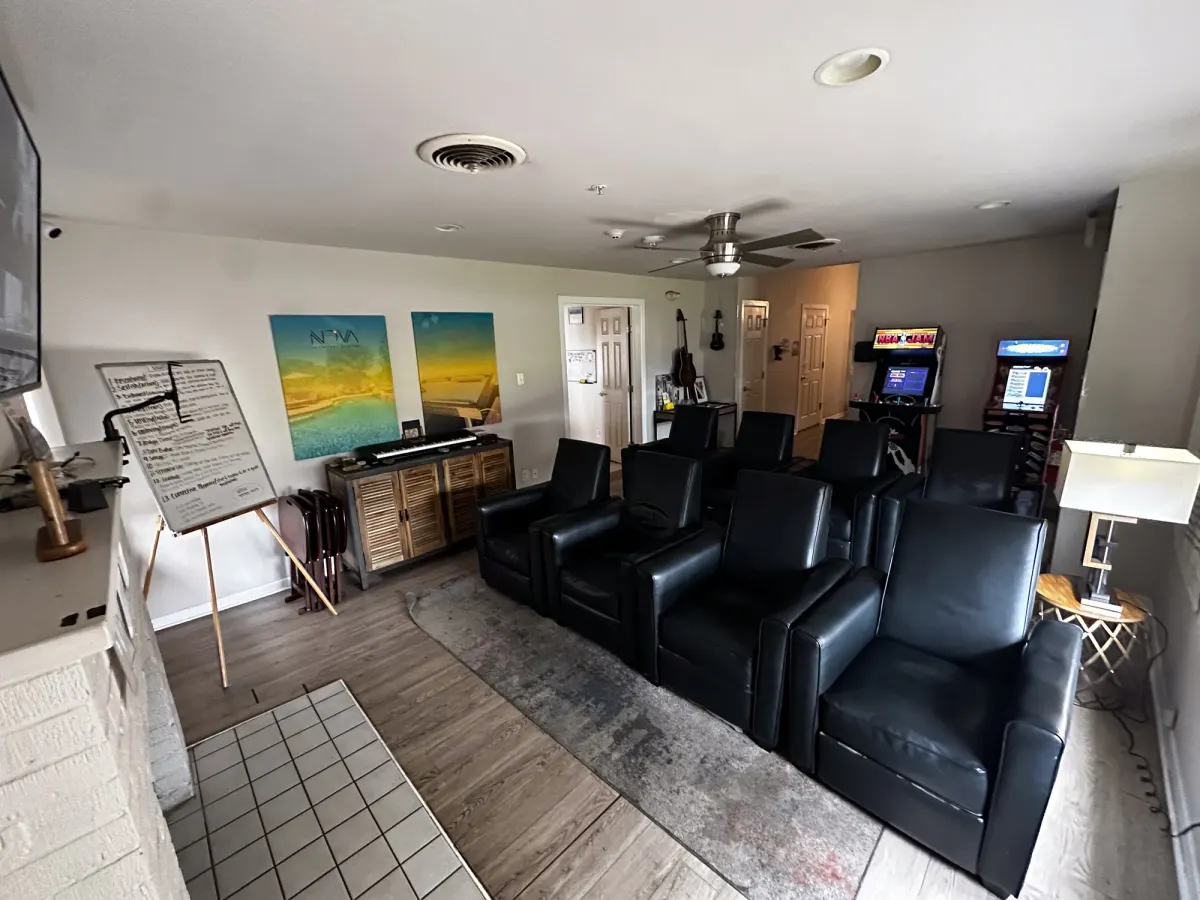 Inpatient
 Austin, TX
11711 N Lamar Blvd · 78753
- 15 beds
- On-site labs
- 24-hour medical staff
Drug & Alcohol Detox in Austin, TX
-
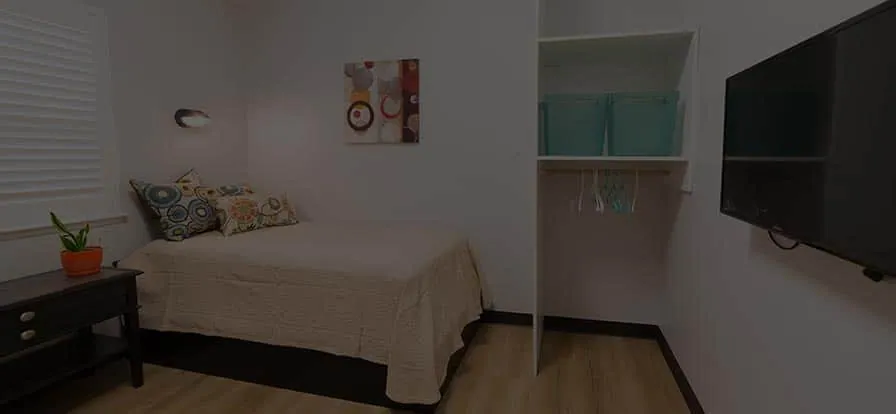 Inpatient
 Houston, TX
1019 Ashland St · 77008
- On-site labs
- 24-hour medical staff
Drug Detox Center in Houston, TX
-
 Outpatient
 San Antonio, TX
6707 W Hausman Rd · 78249
- Outpatient detox with scheduled medical visits
- Outpatient treatment
Outpatient Drug & Alcohol Detox in San Antonio
What to tell your prescriber or detox team
Information that helps clinicians keep you safe
Most safety problems happen when a care team does not have the full picture. If you are quitting alcohol while taking lorazepam, plan to share the details below. Clear details help the plan match your risk.
- Your typical alcohol pattern (type, amount, days per week) and the time of your last drink.
- Your lorazepam dose, schedule, how long you have taken it, and whether you ever take extra doses.
- Any other medications, including sleep aids, muscle relaxers, stimulants, pain pills, or gabapentin.
- Prior withdrawal symptoms, ER visits, seizures, fainting, or blackouts.
- Medical history that changes risk, including liver problems, breathing issues, or pregnancy.
Why they ask about alcohol on lorazepam
Some people hesitate because they feel embarrassed. Still, clinicians ask because alcohol can change how sedating medications feel and because withdrawal risk depends on your history. MedlinePlus also warns that lorazepam can be habit-forming and that people should tell a clinician about heavy alcohol use.
You can read the full safety notes on MedlinePlus lorazepam information.
If you think you may also be physically dependent on benzodiazepines, that is not a moral failure. It is a medical risk that needs a careful plan. Learn more about benzodiazepine detox and why supervised tapering matters.
Break Free from Addiction. Detox Safely in Austin Today.
Medically Supervised Detox – Compassionate Care Starts Here.
Safer ways to manage anxiety during early sobriety
Expect anxiety to spike, then settle
When alcohol use is heavy, the brain can become used to alcohol’s calming effect. Once you stop, anxiety can feel louder for a while. That does not always mean you “need” alcohol or extra medication. Often, it means your nervous system is recalibrating.
Instead of chasing quick relief, try to build a short, repeatable routine. A consistent routine reduces fear because you know what you will do next.
Low-risk supports you can start today
- Hydration and regular meals to reduce shakiness and lightheadedness.
- Short breathing drills, like slow exhale breathing for two minutes.
- Lower stimulation at night: dim lights, quieter music, and a cooler room.
- A support person who can check in and help you avoid driving if you feel sedated.
- A simple plan for cravings, such as delaying, drinking water, and calling someone.
Importantly, do not change your lorazepam dose on your own to “match” your alcohol intake or withdrawal. Dose changes can backfire and raise dependence risk. A prescriber can help you plan safer adjustments if they are needed.
Planning structured support across Texas
Choosing the right level of care
If you want to stop drinking and you also take lorazepam, professional support can reduce medical risk and stress. In many cases, the first goal is stabilization. That can include monitoring, symptom support, and a plan for the next steps.
To keep life steady, ask practical questions early. For example, confirm the level of monitoring, discuss medication safety, and plan what comes after detox.
Access matters when you are balancing life responsibilities
Location can matter when you are balancing work, family, or transportation. If you are closer to South Texas, see options for detox support in San Antonio.
Even if you start with detox, long-term recovery usually needs follow-through. Ask about step-down care, therapy, and practical relapse-prevention planning before you leave a structured setting.
If you already mixed alcohol and lorazepam
What to do right now
If you already drank alcohol after taking lorazepam, treat the situation as a safety problem, not a shame problem. Do not drive. Do not take more alcohol or more pills to “balance it out.” Stay with someone who can check on you.
Call 911 if breathing is slow, the person cannot stay awake, or the skin looks pale or blue. If symptoms are milder but you are scared, call a pharmacist, your prescriber, or Poison Control at 1-800-222-1222 for guidance.
Finding help for the next step
If you need confidential help finding treatment resources, you can contact SAMHSA’s National Helpline. They offer free, confidential support and can help you find next-step options.
If you are in the Houston area, you can explore detox services in Houston. That can help you find an option that fits your needs.
Whether you live in Austin or elsewhere in Texas, the safest move is to get a medical plan and follow it. You do not have to do this alone.
This content is for educational purposes only and is not a replacement for medical advice, diagnosis, or treatment from a licensed healthcare professional. Alcohol withdrawal and the use of prescription medications such as lorazepam (Ativan) can involve serious health risks, so decisions about detox or medication changes should be made with qualified medical guidance. Do not start, stop, or change any medication dose without first speaking with your prescriber. If you or someone else has severe symptoms such as trouble breathing, seizures, severe confusion, chest pain, or is difficult to wake, call 911 in the United States immediately. If you are experiencing thoughts of self-harm, call or text 988 to reach the Suicide & Crisis Lifeline for free, confidential support 24/7.
When Alcohol and Lorazepam Overlap, What’s the Safest Next Step?
If you’re concerned about alcohol and lorazepam, Briarwood Detox Center can help you take safer next steps with a structured, medically supervised approach. Because alcohol and Ativan both slow the central nervous system, stopping suddenly or trying to “manage it yourself” can raise the risk of severe withdrawal symptoms or dangerous sedation. At Briarwood, the clinical team starts with an intake and assessment that reviews your drinking pattern, lorazepam use, and any other medications that may affect safety. From there, a monitored detox plan can support stabilization while clinicians watch for complications like high blood pressure, confusion, or breathing concerns. Just as importantly, the team can help coordinate a clear after-detox plan so you know what to do next, including recovery support options and treatment planning in the Austin area. You can also get guidance on what to bring, what to expect during admission, and how insurance verification works before you commit to care. If symptoms feel urgent or you’re unsure whether detox is needed, talking with an admissions team can help you make an informed decision quickly. Overall, the goal is to reduce risk, support comfort, and help you move forward with a plan you can actually follow.
Alcohol and Lorazepam FAQs: Austin Detox Support and Recovery Resources
Can you drink alcohol while taking Ativan (lorazepam)?+–
No—alcohol and Ativan (lorazepam) can dangerously increase sedation and slow breathing. Even small amounts can impair coordination, judgment, and memory and raise the risk of falls or overdose. If alcohol and lorazepam are both part of your routine, a medically supervised plan is safer than trying to “time” doses. For Austin withdrawal help, contact our team to discuss detox and next steps.
What comes after alcohol detox in Austin, and how is a recovery plan made?+–
After detox, the next step is a treatment plan that supports sobriety, mental health, and relapse prevention. A good plan addresses anxiety triggers and clarifies how prescribed lorazepam will be managed safely with your prescriber. Many people benefit from structured counseling, medication follow-ups, and practical Austin recovery resources that reduce risk during early sobriety. Learn more about next steps after detox.
What happens if alcohol and lorazepam are taken together?+–
Alcohol and lorazepam are both central nervous system depressants, so effects can stack and become unpredictable. Common outcomes include extreme drowsiness, blackouts, slowed reaction time, and breathing problems. The risk increases with higher doses, binge drinking, or mixing in other sedating medications. If someone is hard to wake or breathing is slow, call 911.
I drank alcohol after taking Ativan—what should I do right now?+–
Stop drinking immediately and do not take extra Ativan, sleep aids, or opioids to “counteract” the effects. Avoid driving, stay with a trusted person, and watch for severe sleepiness, confusion, vomiting, or slow breathing. If symptoms are severe or worsening, call 911 right away. If you’re in Austin and want help planning a safer quit, call Briarwood Detox at (866) 710-7710.
How long does alcohol withdrawal last, and when do symptoms usually peak?+–
Alcohol withdrawal often starts within hours after the last drink and frequently peaks within the first 1–3 days. Many people stabilize within about a week, but sleep, mood, and cravings can take longer to improve. Past withdrawal seizures, hallucinations, or severe symptoms are strong reasons to choose medically supervised detox. For a detailed alcohol withdrawal time frame, read how long alcohol withdrawal lasts.
Does taking Ativan (lorazepam) prevent alcohol withdrawal?+–
No—lorazepam may reduce some symptoms temporarily, but it does not remove the underlying withdrawal risk from heavy drinking. Alcohol withdrawal can escalate quickly and may include dangerous complications like seizures or delirium. Taking extra lorazepam on your own can increase sedation risk and worsen dependence. The safest approach is medical oversight when alcohol and benzodiazepines are both involved.
Can lorazepam be used to treat alcohol withdrawal symptoms?+–
Yes, benzodiazepines (including lorazepam) are commonly used in medical settings to manage alcohol withdrawal and lower seizure risk. That does not mean it is safe to self-medicate at home with leftover pills or extra doses. Clinicians dose and monitor based on symptoms, vital signs, and medical history, especially when more than one substance is involved. If you take lorazepam and want to stop drinking, supervised withdrawal care is often the safer choice.
When should someone in Austin choose medical detox instead of detoxing at home?+–
Medical detox is recommended when alcohol use has been daily or heavy, when there is a history of withdrawal seizures or hallucinations, or when medical or mental health conditions are present. It is also the safer choice when alcohol is mixed with medications like Ativan, because breathing and sedation risks can change quickly. For Austin detox support and same-day guidance, call (866) 710-7710. You can also review detox support in Austin to understand care options.
How do insurance verification and admissions work for detox support in Austin?+–
Insurance verification is a benefits check that clarifies coverage details and estimated out-of-pocket costs before admission. You will typically need your insurance card, date of birth, and basic information about your substance use and medications so the team can verify benefits accurately. To start, verify your insurance coverage and admissions options or call (866) 710-7710 for a confidential benefits check. If coverage is limited, admissions can discuss practical scheduling and treatment-planning steps.
What should I bring to detox in Austin, and what happens on day one?+–
Day one usually includes an intake assessment, a review of your alcohol use, and a medication safety check—especially important if you take lorazepam. Bring a photo ID, insurance card, a list of medications, and prescriptions in original bottles so clinicians can verify doses. Comfortable clothing and basic toiletries are usually helpful, while valuables are best left at home. For a packing checklist, see what to bring to detox.
Related guides


In network with most major insurance
Find your plan and see what detox would cost
Most plans cover medical detox. Coverage varies by plan, so we verify it for you before you commit to anything.
















Don't see your plan? We work with out-of-network benefits and offer self-pay options — (866) 710-7710
- Confidential
- Takes about 2 minutes
- No obligation to admit
- Accredited The Joint Commission
- Rated 4.5 · 94 Google reviews
- Admissions 24 hours a day