
Guide
Transitioning Between Inpatient and Outpatient Treatment: A Pathway to Sustained Recovery
Joint Commission accredited · In network with most major insurance · Admissions answered 24 hours a day

Published August 12, 2024
Reviewed and updated July 29, 2026
Table of contents
- The Importance of a Smooth Transition in Treatment
- Understanding Inpatient Treatment
- Transitioning to Outpatient Treatment
- The Benefits of Combining Inpatient and Outpatient Treatment
- Tailored Care for Every Stage of Recovery
- Supporting Your Transition Every Step of the Way
- How to Know When It’s Time to Transition
- Your Path to Recovery at Briarwood Detox Center
- Drug Detox With Briarwood
- Break Free From Your Addiction Today
When battling drug and alcohol addiction, choosing the right treatment program is crucial to your long-term success. The journey to sobriety is personal, and for many, it requires different levels of care at different stages. At Briarwood Detox Center in Austin, TX, we understand the importance of providing flexible treatment options that adapt to your evolving needs. So, can you transition between inpatient and outpatient treatment? Absolutely, and in many cases, it’s the best approach for sustained recovery.
If you or someone you love needs more than detox, Briarwood Detox Center also provides drug treatment centers austin.
The Importance of a Smooth Transition in Treatment
Transitioning from inpatient to outpatient treatment, or vice versa, can be a pivotal step in your recovery journey. Inpatient treatment, often the first stage of recovery, provides a structured and supportive environment, free from external distractions. Here, patients focus solely on detoxification and intensive therapy. However, as recovery progresses, outpatient treatment may become a more suitable option. This phase allows you to gradually reintegrate into daily life while still receiving the support you need.
Does your insurance cover detox in Austin?
Find out in about 2 minutes — free, confidential, no obligation.
Verify InsuranceAt Briarwood Detox Center, we tailor our programs to meet your unique needs, ensuring that each transition is as seamless as possible. We know that moving too quickly or without adequate support can increase the risk of relapse, which is why our comprehensive approach emphasizes continuity of care.
Understanding Inpatient Treatment
Inpatient treatment is often the starting point for individuals struggling with severe addiction. This intensive program involves staying at our facility 24/7, where you’ll receive round-the-clock medical supervision, counseling, and therapeutic support. The primary goal of inpatient treatment is to stabilize your condition and help you achieve initial sobriety.
Our inpatient drug and alcohol detox program in Austin is designed to remove harmful substances from your body safely and comfortably. During this stage, we address withdrawal symptoms and provide the necessary medical care to ensure you’re as comfortable as possible. But inpatient treatment doesn’t stop at detox. It also includes therapy sessions, group support, and activities that promote physical and emotional well-being.
Transitioning to Outpatient Treatment
Once you’ve completed the initial stages of inpatient treatment, outpatient care may be the next logical step. Outpatient treatment allows you to continue receiving therapy and support while living at home and gradually returning to everyday responsibilities. This phase is crucial for reinforcing the skills and strategies you’ve learned during inpatient care.
Our outpatient program at Briarwood Detox Center offers flexible scheduling and a variety of therapeutic options tailored to your ongoing recovery needs. Whether you’re attending individual counseling sessions, participating in group therapy, or engaging in holistic practices like yoga or meditation, outpatient treatment helps you maintain sobriety in a less restrictive environment.
The Benefits of Combining Inpatient and Outpatient Treatment
Combining inpatient and outpatient treatment can significantly enhance your chances of long-term recovery. For many individuals, starting with inpatient treatment provides the foundation needed to address the underlying causes of addiction. As you progress, transitioning to outpatient care allows you to test and strengthen your recovery skills in real-world situations.
Moreover, Briarwood Detox Center offers a full continuum of care, meaning you don’t have to switch providers as you move from one level of care to another. This continuity is crucial because it ensures that your treatment is consistent, and your progress is carefully monitored by the same team of professionals who have been with you from the start.
Tailored Care for Every Stage of Recovery
One of the key advantages of our program is its flexibility. We understand that recovery is not a one-size-fits-all process. Some individuals may benefit from starting with outpatient care, while others may require a longer stay in inpatient treatment before transitioning. Our team works closely with you to develop a personalized treatment plan that adjusts to your progress.
Ready to talk to someone now? Briarwood Detox Center's admissions team is here 24/7, and every call is confidential. Call (866) 710-7710.Additionally, the ability to move between levels of care as needed means that if you encounter challenges during outpatient treatment, you can return to the safety and structure of inpatient care. This fluidity is essential for addressing the inevitable ups and downs of recovery without feeling like you’re starting over.
Supporting Your Transition Every Step of the Way
Transitioning between inpatient and outpatient treatment is not just about moving from one program to another; it’s about ensuring that you have the support and resources you need at each stage of your recovery. At Briarwood Detox Center, we emphasize the importance of comprehensive care that addresses the mind, body, and soul. Our holistic approach includes evidence-based therapies that are proven to help individuals achieve and maintain sobriety.
Furthermore, our compassionate staff is here to guide you through every step of your journey. Whether you’re starting with detox or moving into outpatient care, we provide continuous support, so you never feel like you’re navigating this path alone.
How to Know When It’s Time to Transition
Recognizing when to transition between inpatient and outpatient treatment can be challenging. However, there are several indicators that can help guide your decision.
These include:
- Stability in Sobriety: If you’ve achieved a level of stability in your sobriety and feel confident in your ability to manage cravings and triggers, it might be time to consider outpatient care.
- Support System: If you have a strong support system at home, transitioning to outpatient treatment can allow you to begin reintegrating into your daily life with the support of loved ones.
- Ongoing Therapy Needs: If you still require regular therapy but feel ready to take on more personal responsibilities, outpatient care can provide the balance you need.
- Lifestyle and Responsibilities: If you need to return to work, school, or family obligations, outpatient treatment offers the flexibility to manage your recovery while meeting your daily responsibilities.
Your Path to Recovery at Briarwood Detox Center
In conclusion, transitioning between inpatient and outpatient treatment is not only possible but often necessary for long-term recovery. At Briarwood Detox Center in Austin, we offer a full continuum of care designed to support you at every stage of your journey. Whether you’re just beginning with detox or ready to step down to outpatient care, our team is here to provide the personalized support you need.
If you or a loved one is struggling with drug or alcohol addiction, don’t wait. Get Help Today by contacting Briarwood Detox Center. We’re ready to assist you with confidential insurance checks and availability. See Availability Today and take the first step toward a healthier, sober life. Most Insurances Accepted.
Drug Detox With Briarwood
Briarwood Detox Center offers detox treatment for alcohol, opioid, methamphetamine, prescription drugs, and much more. Our experienced clinical staff provides round-the-clock monitoring throughout the drug detox process and our therapy team provides support to help manage the emotional response to treatment. Additionally, we have detox facilities located in Austin, Houston, and Colorado Springs with state-of-the-art amenities.
Briarwood is dedicated to facilitating a healthy and safe environment that empowers people to make significant and lasting changes in their lives. We look forward to supporting you or your loved one on the journey to recovery. Call (866) 710-7710 today for more information on our programs and admission process.
Can I Work or Attend School While Participating in an Intensive Outpatient Program?
Yes, you can work or attend school while participating in an intensive outpatient program (IOP). IOP is specifically designed to provide comprehensive addiction treatment while allowing you to maintain your daily responsibilities. Programs typically schedule sessions during evenings or flexible daytime hours to accommodate work and school commitments, making recovery accessible without requiring you to put your life on hold.
At Briarwood Detox Center, our intensive outpatient programs in Austin, San Antonio, Houston, and Colorado Springs are structured to fit around your schedule. Most IOP sessions run three to five days per week for three to four hours per day, allowing you to continue employment or education while receiving evidence-based treatment for substance use disorders. Many patients find that maintaining their routine actually supports their recovery by providing structure, purpose, and financial stability.
How IOP Schedules Accommodate Work and School
Intensive outpatient programs offer flexibility that inpatient treatment cannot provide. Evening IOP sessions typically run from 5:00 PM to 8:00 PM or 6:00 PM to 9:00 PM, allowing you to work a full day before attending treatment. Some programs also offer morning or afternoon options for students or those with non-traditional work schedules.
Key scheduling considerations include:
- Evening sessions: Designed for full-time employees who need treatment after work hours
- Flexible attendance: Programs can often work around exam schedules, important meetings, or shift work
- Telehealth options: Some sessions may be available virtually, reducing travel time and increasing accessibility
- Gradual step-down: As you progress, session frequency may decrease from five days to three days per week
Balancing Treatment with Daily Responsibilities
Successfully managing IOP alongside work or school requires planning and communication. Most employers and educational institutions are supportive when they understand you're seeking treatment, and you're protected by the Family and Medical Leave Act (FMLA) and the Americans with Disabilities Act (ADA) in many situations.
Practical tips for balancing IOP with your responsibilities:
- Communicate with your employer or school about your treatment schedule—you don't need to disclose details, but explaining you have medical appointments can help
- Use your IOP care team to get documentation for absences or modified schedules if needed
- Plan your week in advance to manage treatment sessions, work deadlines, and study time
- Build a support network of trusted colleagues, classmates, or supervisors who can provide encouragement
- Prioritize self-care and sleep—recovery requires physical and mental energy alongside your other commitments
Many patients find that the structure of maintaining work or school actually enhances their recovery outcomes by providing routine, social connection, and a sense of accomplishment. If you're concerned about managing both, our clinical team at Briarwood Detox Center can help you develop a personalized plan that supports your recovery and your life goals.
Insurance Coverage for IOP While Working
Most major insurance plans cover intensive outpatient treatment, and continuing to work means you can maintain your health benefits throughout your recovery. Briarwood Detox Center accepts many insurance providers and can verify your coverage before you begin treatment. Common accepted plans include Aetna, Blue Cross Blue Shield, Cigna, UnitedHealthcare, and Humana, among others.
If you need help understanding your insurance benefits or coordinating your treatment schedule with your work or school commitments, contact Briarwood Detox Center at (866) 710-7710 to speak with our admissions team.
Can I work full-time while in an intensive outpatient program?
Yes, IOP is designed to allow you to work full-time. Sessions are typically scheduled in the evenings (5:00-9:00 PM) or at flexible times that don't conflict with standard work hours. Many patients maintain full-time employment throughout their IOP treatment, and the structure of work can actually support recovery by providing routine and purpose.
Will my employer know I'm attending an intensive outpatient program?
You are not required to disclose the specifics of your treatment to your employer. If you need time off or schedule accommodations, you can simply explain that you have medical appointments. You're protected under FMLA and ADA, which provide job protection for those seeking treatment for substance use disorders. Briarwood Detox Center can provide documentation for medical leave if needed, without disclosing treatment details.
Can college students attend IOP while taking classes?
Absolutely. Many college students successfully complete IOP while maintaining their course load. Sessions can be scheduled around class times, and many schools have disability services offices that can help coordinate accommodations if needed. IOP provides the intensive support necessary for recovery without requiring you to take a semester off, helping you stay on track academically while addressing substance use.
How many hours per week is an intensive outpatient program?
IOP typically requires 9-15 hours of treatment per week, usually structured as three to five sessions of three to four hours each. This is significantly less time commitment than inpatient treatment (which is 24/7) or partial hospitalization programs (which require 20-30 hours per week), making it feasible to balance with work, school, and family responsibilities.
What happens if I miss an IOP session due to work or school?
While consistent attendance is important for treatment effectiveness, occasional conflicts can usually be accommodated. Contact your treatment team as soon as possible if you need to miss a session due to work or school obligations. Many programs offer makeup sessions or telehealth options. Frequent absences may require a conversation about whether your current schedule is sustainable or if adjustments to your treatment plan are needed.
Related Resources and Support
For more information about balancing recovery with daily life, explore these resources:
- How to Stay Employed During Drug and Alcohol Detox – practical strategies for maintaining your job during treatment
- Post-Detox Care: Sustaining Long-Term Recovery – understanding the continuum of care after initial detox
- Setting Boundaries in Addiction Recovery – essential skills for managing relationships and responsibilities during outpatient treatment
- How to Support a Loved One in Detox – guidance for family and friends supporting someone in treatment
If you're ready to explore how intensive outpatient treatment can fit into your life while you continue working or attending school, call Briarwood Detox Center at (866) 710-7710 to discuss your options and verify insurance coverage for our programs in Austin, San Antonio, Houston, or Colorado Springs.
Ready to Start Your Recovery in Austin?
Briarwood Detox Center offers medically supervised detox in Austin. Explore our locations, see the facility, and verify your insurance in minutes.
See our locationsWhere we are
Detox centers across Texas
Three locations, each with its own admissions line and its own clinical team. Pick the one nearest you — or call and we will tell you which has a bed tonight.
-
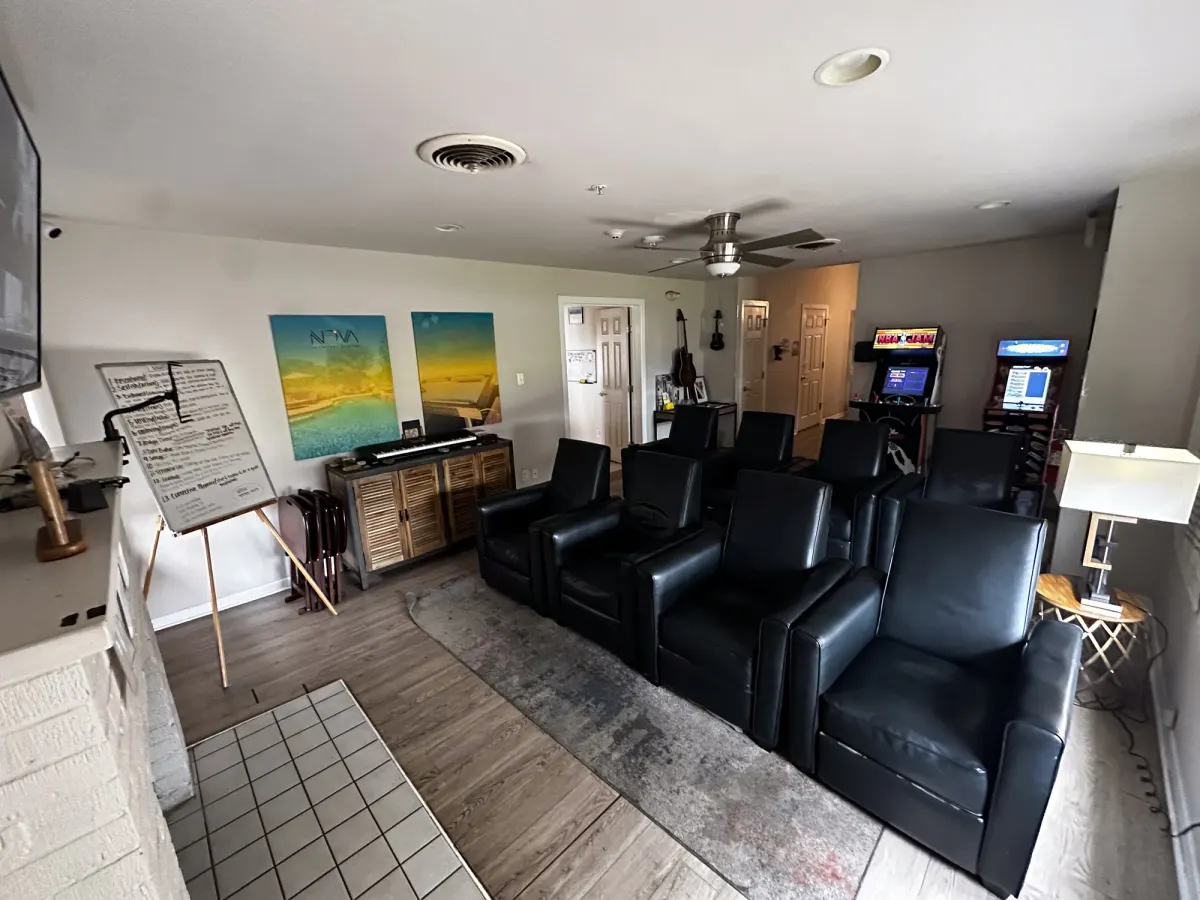 Inpatient
 Austin, TX
11711 N Lamar Blvd · 78753
- 15 beds
- On-site labs
- 24-hour medical staff
Drug & Alcohol Detox in Austin, TX
-
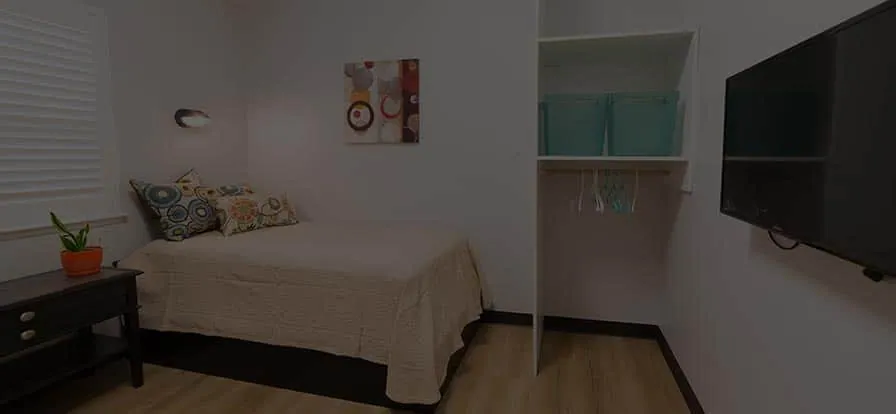 Inpatient
 Houston, TX
1019 Ashland St · 77008
- On-site labs
- 24-hour medical staff
Drug Detox Center in Houston, TX
-
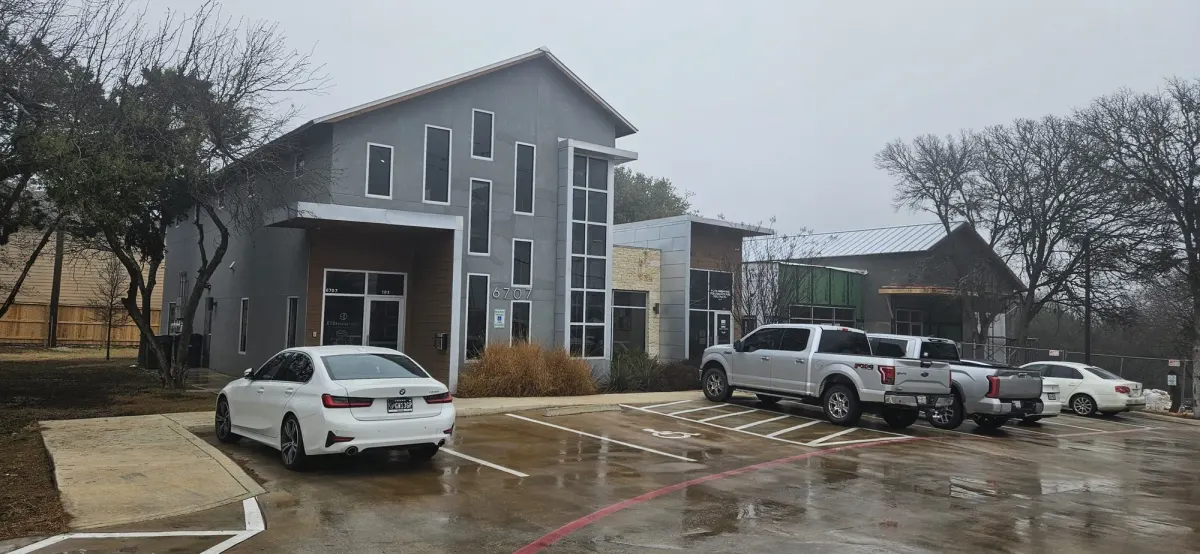 Outpatient
 San Antonio, TX
6707 W Hausman Rd · 78249
- Outpatient detox with scheduled medical visits
- Outpatient treatment
Outpatient Drug & Alcohol Detox in San Antonio
Can I Work or Attend School While Participating in an Intensive Outpatient Program?
Yes, you can work or attend school while participating in an intensive outpatient program (IOP). IOP is specifically designed to provide comprehensive addiction treatment while allowing you to maintain your daily responsibilities. Programs typically schedule sessions during evenings or flexible daytime hours to accommodate work and school commitments, making recovery accessible without requiring you to put your life on hold.
At Briarwood Detox Center, our intensive outpatient programs in Austin, San Antonio, Houston, and Colorado Springs are structured to fit around your schedule. Most IOP sessions run three to five days per week for three to four hours per day, allowing you to continue employment or education while receiving evidence-based treatment for substance use disorders. Many patients find that maintaining their routine actually supports their recovery by providing structure, purpose, and financial stability.
How IOP Schedules Accommodate Work and School
Intensive outpatient programs offer flexibility that inpatient treatment cannot provide. Evening IOP sessions typically run from 5:00 PM to 8:00 PM or 6:00 PM to 9:00 PM, allowing you to work a full day before attending treatment. Some programs also offer morning or afternoon options for students or those with non-traditional work schedules.
Key scheduling considerations include:
- Evening sessions: Designed for full-time employees who need treatment after work hours
- Flexible attendance: Programs can often work around exam schedules, important meetings, or shift work
- Telehealth options: Some sessions may be available virtually, reducing travel time and increasing accessibility
- Gradual step-down: As you progress, session frequency may decrease from five days to three days per week
Balancing Treatment with Daily Responsibilities
Successfully managing IOP alongside work or school requires planning and communication. Most employers and educational institutions are supportive when they understand you're seeking treatment, and you're protected by the Family and Medical Leave Act (FMLA) and the Americans with Disabilities Act (ADA) in many situations.
Practical tips for balancing IOP with your responsibilities:
- Communicate with your employer or school about your treatment schedule—you don't need to disclose details, but explaining you have medical appointments can help
- Use your IOP care team to get documentation for absences or modified schedules if needed
- Plan your week in advance to manage treatment sessions, work deadlines, and study time
- Build a support network of trusted colleagues, classmates, or supervisors who can provide encouragement
- Prioritize self-care and sleep—recovery requires physical and mental energy alongside your other commitments
Many patients find that the structure of maintaining work or school actually enhances their recovery outcomes by providing routine, social connection, and a sense of accomplishment. If you're concerned about managing both, our clinical team at Briarwood Detox Center can help you develop a personalized plan that supports your recovery and your life goals.
Insurance Coverage for IOP While Working
Most major insurance plans cover intensive outpatient treatment, and continuing to work means you can maintain your health benefits throughout your recovery. Briarwood Detox Center accepts many insurance providers and can verify your coverage before you begin treatment. Common accepted plans include Aetna, Blue Cross Blue Shield, Cigna, UnitedHealthcare, and Humana, among others.
If you need help understanding your insurance benefits or coordinating your treatment schedule with your work or school commitments, contact Briarwood Detox Center at (866) 710-7710 to speak with our admissions team.
Can I work full-time while in an intensive outpatient program?
Yes, IOP is designed to allow you to work full-time. Sessions are typically scheduled in the evenings (5:00-9:00 PM) or at flexible times that don't conflict with standard work hours. Many patients maintain full-time employment throughout their IOP treatment, and the structure of work can actually support recovery by providing routine and purpose.
Will my employer know I'm attending an intensive outpatient program?
You are not required to disclose the specifics of your treatment to your employer. If you need time off or schedule accommodations, you can simply explain that you have medical appointments. You're protected under FMLA and ADA, which provide job protection for those seeking treatment for substance use disorders. Briarwood Detox Center can provide documentation for medical leave if needed, without disclosing treatment details.
Can college students attend IOP while taking classes?
Absolutely. Many college students successfully complete IOP while maintaining their course load. Sessions can be scheduled around class times, and many schools have disability services offices that can help coordinate accommodations if needed. IOP provides the intensive support necessary for recovery without requiring you to take a semester off, helping you stay on track academically while addressing substance use.
How many hours per week is an intensive outpatient program?
IOP typically requires 9-15 hours of treatment per week, usually structured as three to five sessions of three to four hours each. This is significantly less time commitment than inpatient treatment (which is 24/7) or partial hospitalization programs (which require 20-30 hours per week), making it feasible to balance with work, school, and family responsibilities.
What happens if I miss an IOP session due to work or school?
While consistent attendance is important for treatment effectiveness, occasional conflicts can usually be accommodated. Contact your treatment team as soon as possible if you need to miss a session due to work or school obligations. Many programs offer makeup sessions or telehealth options. Frequent absences may require a conversation about whether your current schedule is sustainable or if adjustments to your treatment plan are needed.
Related Resources and Support
For more information about balancing recovery with daily life, explore these resources:
- How to Stay Employed During Drug and Alcohol Detox – practical strategies for maintaining your job during treatment
- Post-Detox Care: Sustaining Long-Term Recovery – understanding the continuum of care after initial detox
- Setting Boundaries in Addiction Recovery – essential skills for managing relationships and responsibilities during outpatient treatment
- How to Support a Loved One in Detox – guidance for family and friends supporting someone in treatment
If you're ready to explore how intensive outpatient treatment can fit into your life while you continue working or attending school, call Briarwood Detox Center at (866) 710-7710 to discuss your options and verify insurance coverage for our programs in Austin, San Antonio, Houston, or Colorado Springs.
Related guides



In network with most major insurance
Find your plan and see what detox would cost
Most plans cover medical detox. Coverage varies by plan, so we verify it for you before you commit to anything.

















Don't see your plan? We work with out-of-network benefits and offer self-pay options — (866) 710-7710
- Confidential
- Takes about 2 minutes
- No obligation to admit

- Accredited The Joint Commission
- Rated 4.7 · 182 Google reviews Flourishing Foundations Recovery, now part of Briarwood
- Admissions 24 hours a day