
Guide
Relapsed During or After Treatment? What Happens Next, and Whether You Need Outpatient or Inpatient Care
Joint Commission accredited · In network with most major insurance · Admissions answered 24 hours a day

Published October 30, 2026
If you have used or had a drink again during outpatient treatment, or after finishing a program, you may feel like you have wasted everything. You have not. Relapse is common in addiction, and what matters now is what you do next. This page explains what a relapse means, when it is dangerous, whether you need detox again, how to decide between outpatient and inpatient care, and what to say to your treatment team.
Does a relapse mean treatment has failed?
No. The National Institute on Drug Abuse says relapse rates for addiction are similar to those for other chronic illnesses, such as high blood pressure and asthma.
It describes addiction as a chronic condition, and relapse as a sign that treatment needs to be resumed, changed, or replaced with something different. In other words, a relapse is information about what your treatment plan needs, not a verdict on you.
The same research body is clear that detox on its own is not treatment. It says detox without further treatment generally leads back to drug use, which is why the step after detox matters so much.
Source: Treatment and Recovery, Drugs, Brains, and Behavior: The Science of Addiction, National Institute on Drug Abuse.
What should you do if you relapse during outpatient treatment?
Tell your counselor or doctor as soon as you can. The National Institute on Drug Abuse says relapse means a person needs to talk to their doctor about resuming, changing, or trying another treatment.
It can feel safer to hide it, but your team cannot adjust your plan for something they do not know about. Be specific: what you used, how much, and for how many days. That tells them whether you need more support at the same level, a change in medication, or a higher level of care.
Ask your program directly what happens next, so you know where you stand.
When is a relapse dangerous?
When you have been off a drug for a while, and especially with opioids. Your tolerance drops, so a dose you used to take can now cause an overdose.
The National Institute on Drug Abuse warns that relapse can be very dangerous, even deadly, for some drugs, because the body is no longer used to the old amount. The National Library of Medicine adds that most opioid overdose deaths happen in people who have just detoxed. If opioids are involved, keep naloxone nearby and do not use alone.
Alcohol carries a different risk. If a relapse turns into days of heavy drinking, stopping suddenly again can bring dangerous withdrawal. The National Library of Medicine advises going to the emergency room or calling 911 for seizures, fever, severe confusion or hallucinations.
Source: Opiate and opioid withdrawal and Alcohol withdrawal, MedlinePlus, National Library of Medicine.
Where we are
Detox centers across Texas
Three locations, each with its own admissions line and its own clinical team. Pick the one nearest you — or call and we will tell you which has a bed tonight.
-
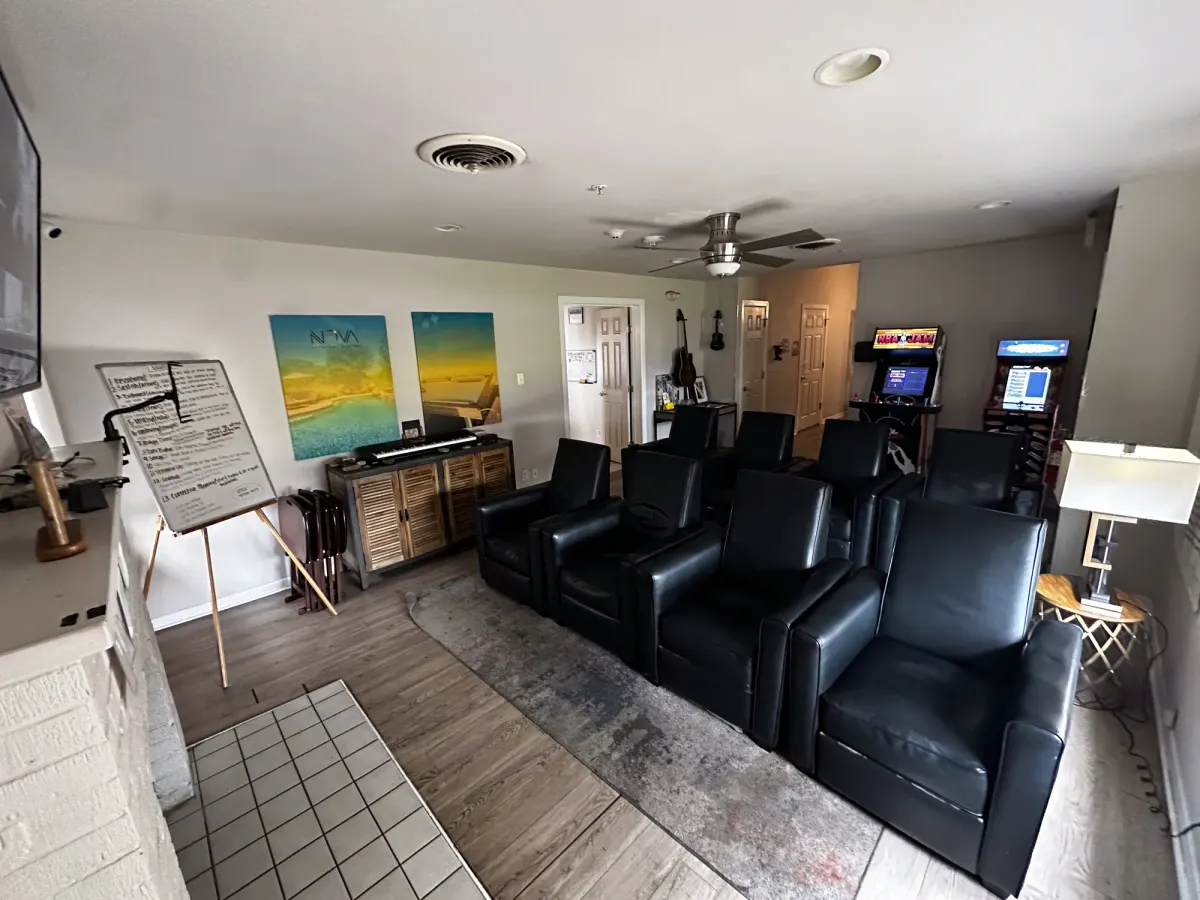 Inpatient
Austin, TX
11711 N Lamar Blvd · 78753
- 15 beds
- On-site labs
- 24-hour medical staff
Drug & Alcohol Detox in Austin, TX
-
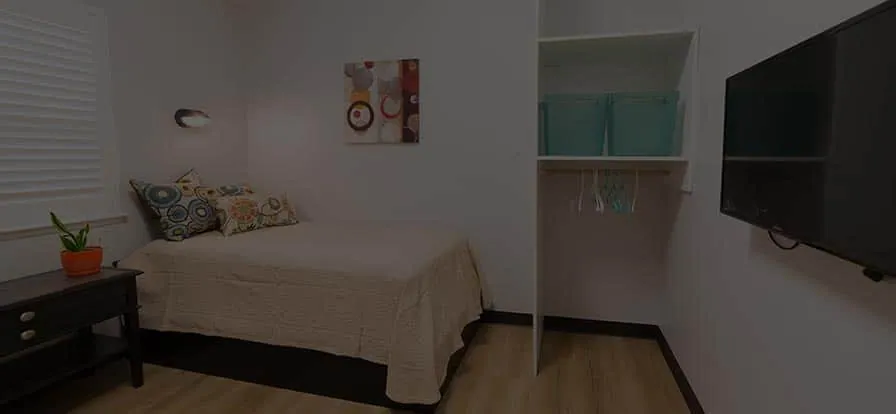 Inpatient
Houston, TX
1019 Ashland St · 77008
- On-site labs
- 24-hour medical staff
Drug Detox Center in Houston, TX
-
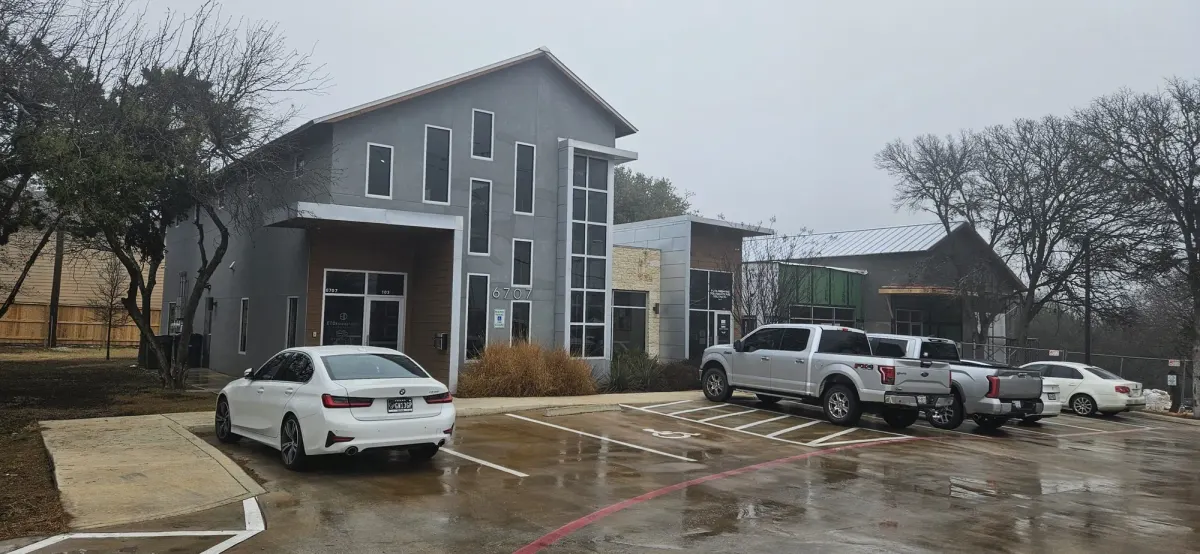 Outpatient
San Antonio, TX
6707 W Hausman Rd · 78249
- Outpatient detox with scheduled medical visits
- Outpatient treatment
Outpatient Drug & Alcohol Detox in San Antonio
Do you need detox again after a relapse?
Only if your body has become dependent again. A single slip usually does not need detox, but days or weeks of daily drinking or drug use often does.
The signs to watch for are withdrawal symptoms when you stop or cut down: shaking, sweating, anxiety, nausea, or not being able to sleep. With alcohol or benzodiazepines, do not stop suddenly on your own after heavy daily use. Get a medical opinion first.
Briarwood’s inpatient detox centers in Austin and Houston have a nurse on site 24 hours a day and a physician on call, and most stays last five to seven days. Briarwood’s San Antonio location offers outpatient detox for milder withdrawal.
Should you try outpatient or inpatient care after a relapse?
Choose inpatient care if you need medical help with withdrawal or keep relapsing in outpatient care; otherwise more outpatient support may be enough. An assessment decides.
The National Institute on Drug Abuse says treatment should be tailored to each person’s drug use and their medical, mental and social problems. In practice, a higher level of care is worth considering when:
- You need medical help to get through withdrawal.
- You have relapsed more than once while in outpatient treatment.
- Home is not a safe place to stay sober, or people you live with are using.
- A mental health condition is getting worse alongside the drug use.
If none of those apply, stepping up within outpatient care, with more sessions or added medication, may be enough. The detox vs rehab page explains the levels of care, and residential treatment and sober living are the options above outpatient.
What does Briarwood’s outpatient program involve?
Briarwood’s outpatient program has three 3-hour group sessions and one individual session a week, for about eight weeks. Without insurance it costs $250 a session, or $6,000 for 24 sessions.
Sessions run in person or online. With insurance, most people pay between $0 and $5,000. Briarwood accepts commercial insurance, TRICARE and VA benefits. It does not accept Medicare or Medicaid. The intensive outpatient program page explains the program, and a free benefit check shows your coverage in about two minutes.
How can you lower the risk of another relapse?
Stay in treatment, and ask about medication. The National Institute on Drug Abuse says medication should be the first-line treatment for opioid addiction, usually combined with counseling.
Medicines are also approved to help people stop drinking. Beyond medication, the basics matter: keep going to sessions, tell someone when cravings build, and plan ahead for the people, places and times that have led to using before. The after detox page explains the support available once detox is done.
Common Questions
What happens if I relapse during outpatient treatment?+–
Tell your counselor or doctor. The National Institute on Drug Abuse says relapse means treatment should be resumed, changed or replaced, not abandoned.
Does relapse mean I failed?+–
No. Relapse rates for addiction are similar to those for other chronic illnesses, such as high blood pressure and asthma, according to the National Institute on Drug Abuse.
Do I need to go back to detox after a relapse?+–
Only if your body is dependent again. Days or weeks of daily heavy use often need medical detox. A single slip usually does not.
I've relapsed twice. Should I try outpatient or inpatient?+–
Repeated relapse during outpatient care is one sign a higher level of care may help. An assessment looks at withdrawal risk, your home and your mental health to decide.
Why is relapse dangerous after time sober?+–
Tolerance drops, so an old dose can cause an overdose, especially with opioids. Keep naloxone nearby if opioids are involved.
Can I call Briarwood after a relapse?+–
Yes. Briarwood's admissions line answers 24 hours a day and can talk through whether detox, outpatient or residential care fits.
Related guides


About the people behind this guide
Anna-Grace Washington
Medical Content Writer
Anna-Grace Washington is a Medical Content Writer for Briarwood Detox Center. She holds a master’s degree in clinical psychology from the University of Texas and brings a strong understanding of behavioral health, addiction recovery, and evidence-based treatment concepts to her writing.
In network with most major insurance
Find your plan and see what detox would cost
Most plans cover medical detox. Coverage varies by plan, so we verify it for you before you commit to anything.



















Don't see your plan? We work with out-of-network benefits and offer self-pay options — (866) 710-7710
- Confidential
- Takes about 2 minutes
- No obligation to admit
- Accredited The Joint Commission
- Rated 4.7 · 183 Google reviews Flourishing Foundations Recovery, now part of Briarwood
- Admissions 24 hours a day