
Guide
How to Dispose of Expired Prescription Drugs in Your Medicine Cabinet
Joint Commission accredited · In network with most major insurance · Admissions answered 24 hours a day
Published October 9, 2017
Reviewed and updated July 27, 2026
Edited on August 5th, 2025
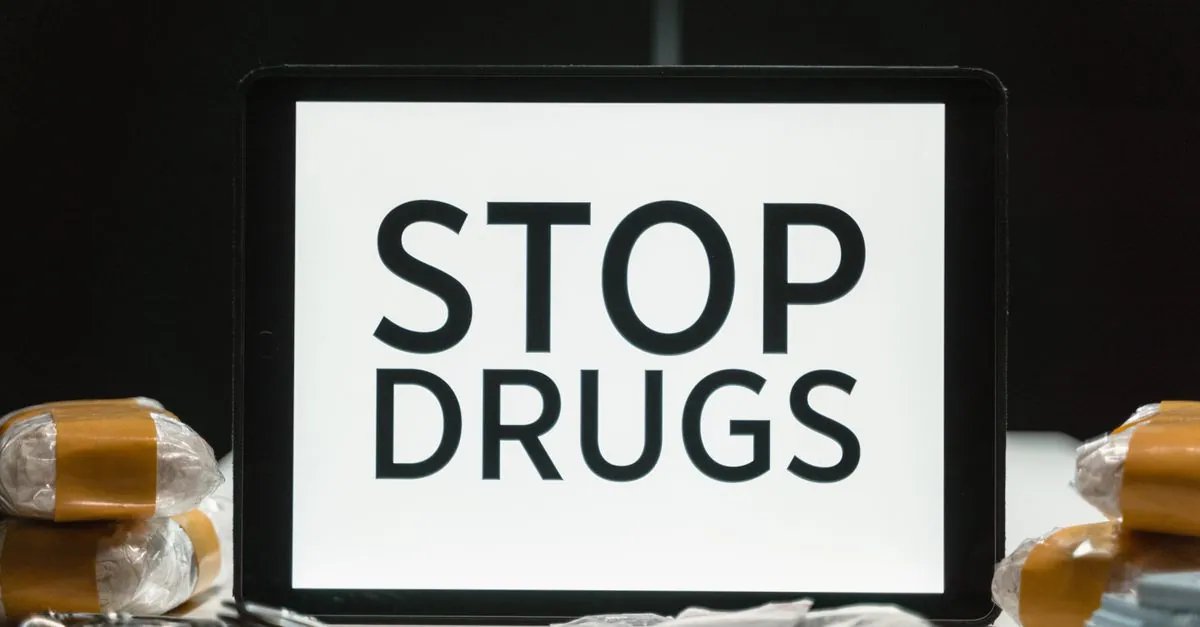
Millions of households across the U.S. unknowingly store expired or unused prescription medications, creating hidden risks for misuse, accidental poisoning, and environmental harm. Here are statistics on expired and unused prescription drugs in the U.S., without links:
Does your insurance cover detox in Austin?
Find out in about 2 minutes — free, confidential, no obligation.
Verify InsuranceSince 2010, nearly 16 million pounds of unneeded prescription drugs have been collected through DEA National Take Back Days. In a single 2022 event, over 720,000 pounds were turned in at more than 5,100 locations.
Over 85% of adults report not knowing the proper way to dispose of unused or expired medications.
Approximately 57% of individuals say they store medications until they expire, increasing the risk of misuse or accidental ingestion.
Only 11% of unused or expired medications are returned through drug take-back events. The majority—around 55%—are kept, while 14% are thrown in household trash.
Sometimes doctors will prescribe painkillers or other addictive medications to use as-needed. This means you are encouraged to take the medication as needed, but if your symptoms lessen or disappear, you should stop using the medicine and do not have to continue consuming it until it is all gone. If you follow these instructions from your doctor, you may end up with a collection of leftover or expired prescription drugs in your cabinet.
Table of contents
- The Importance of Proper Disposal
- What NOT to Do
- Can I Take Expired Prescription Drugs?
- Is It Illegal to Take Another Person’s Prescription Drugs?
- How to Safely Get Rid of Prescription Drugs
Whether a medication was originally prescribed for you or someone else, it is highly recommended that you dispose of all leftover prescription medications once you are finished using them. There are several ways you should and should not do this, and we’ll share examples of both within this blog post.
The Importance of Proper Disposal
If you’ve ever set out on a mission to clean out your bathroom cabinets, you’ve probably found several containers of expired prescription medications. If you’re wondering what to do with unused medication, you’re not alone! Many people are unsure of how they should properly dispose of unused medications.
Unused, addictive prescription drugs can pose a serious risk to friends and family members that spend a great deal of time in your home. These medications, if left unattended in your medicine cabinet, may be misused or abused by someone else in the household who is struggling with addiction.
Even those who have recently completed and been discharged from a drug and alcohol detox program or rehab center may struggle to resist the temptation of misusing these medications when they are so readily available.
To prevent misuse and abuse of unused prescription drugs, the best thing you can do is educate yourself on the best ways to properly dispose of these medications. In doing so, you can help protect your friends or family members who are struggling with substance use disorders or have recently been discharged from drug and alcohol detox or rehab.
What NOT to Do
If you are considering your options for how to dispose of your leftover or expired prescription drugs, please do not do any of the following things:
- Do not toss unused prescription drugs into your household trash. Someone could easily take them out of your trash and use them.
- Do not flush unused prescription drugs down the toilet. In some cases, medications may contain chemicals that end up passing through treatment plants or septic systems and end up in local rivers, lakes, or soil. If you have absolutely no other way to dispose of your unused prescriptions, this should be a last resort.
- Do not give them to someone else. Even if a family member or friend is experiencing the same symptoms you had when your doctor originally prescribed the medication, it is never safe to give anyone your unused prescription drugs. This action can put others at serious risk for developing an addiction or drug misuse disorder, especially if the medication is highly addictive.
- Do not save unused prescription drugs. Although you may think your unused prescriptions may be useful down the road, saving your prescription drugs increases the likeliness that you or someone else in your household will misuse the medication.
Whether your family member has recently returned home from a program at a detox center or they have never touched an addictive drug, it can be equally as dangerous to leave unused prescription drugs lying around your home.
Can I Take Expired Prescription Drugs?
Taking expired prescription drugs for recreational purposes is never recommended. However, if you’ve ever been faced with a reoccurring medical ailment and you had an old prescription left in your medicine cabinet, you’ve probably thought about taking the expired prescription drugs. But, is it safe? And how bad is it to take expired medication?
According to a 2019 study from the Journal of African Health Sciences, the expiration date listed on a medication is the final day that the manufacturer guarantees the full potency and safety of a medication. Medical authorities say that expired medicine is safe to take, even up to 15 years after the expiration date. The effectiveness of a drug may decrease over time, but the study found that much of its potency remains even a decade after it expires. This is especially true if the medication is stored in a cool, dry place that will help the drug’s ingredients remain stable.1
Ready to talk to someone now? Briarwood Detox Center's admissions team is here 24/7, and every call is confidential. Call (866) 710-7710.However, advice from the U.S. Food & Drug Administration (FDA) differs. The organization’s official advice is that it’s never a good idea to use old, expired prescription drugs.2 Doing so carries several risks, such as:
- Expired medications can be less effective due to a decrease in strength over time
- Expired medications can be risky to take if their chemical composition changes over time
- Some medications may be more likely than others to develop bacterial growth
- Antibiotics that have lost their potency may not fully treat an infection, leading to additional illness and resistance to antibiotics
In short, the FDA argues that it’s difficult to guarantee that a medication will be safe and effective after its expiration date has passed.
Many people may wonder, “How do you know when a medicine expires?” Typically, a medication’s expiration date is printed on the label or stamped somewhere on the bottle itself.
Where we are
Detox centers across Texas
Three locations, each with its own admissions line and its own clinical team. Pick the one nearest you — or call and we will tell you which has a bed tonight.
-
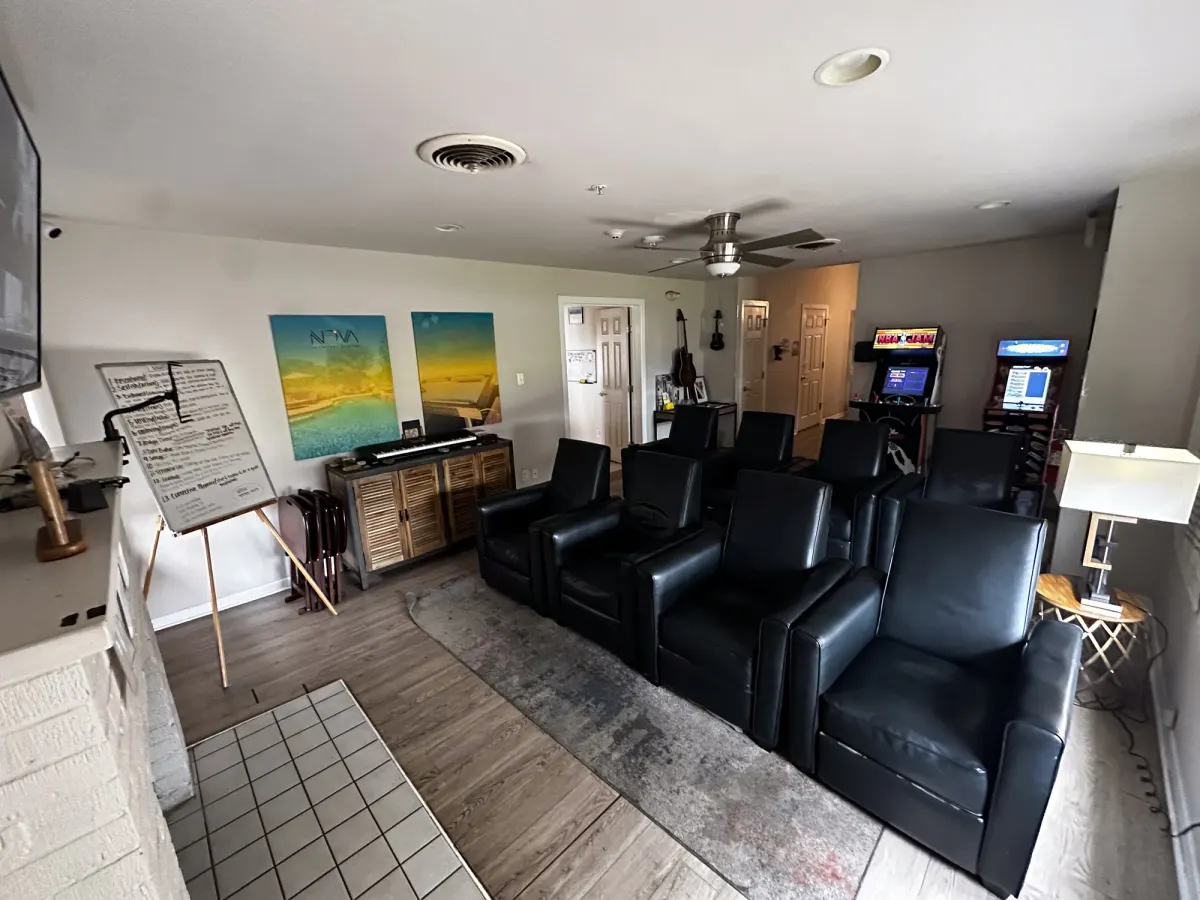 Inpatient
 Austin, TX
11711 N Lamar Blvd · 78753
- 15 beds
- On-site labs
- 24-hour medical staff
Drug & Alcohol Detox in Austin, TX
-
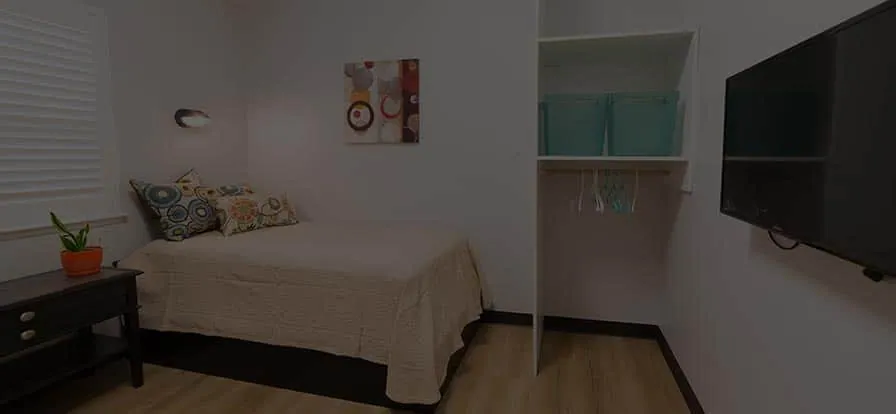 Inpatient
 Houston, TX
1019 Ashland St · 77008
- On-site labs
- 24-hour medical staff
Drug Detox Center in Houston, TX
-
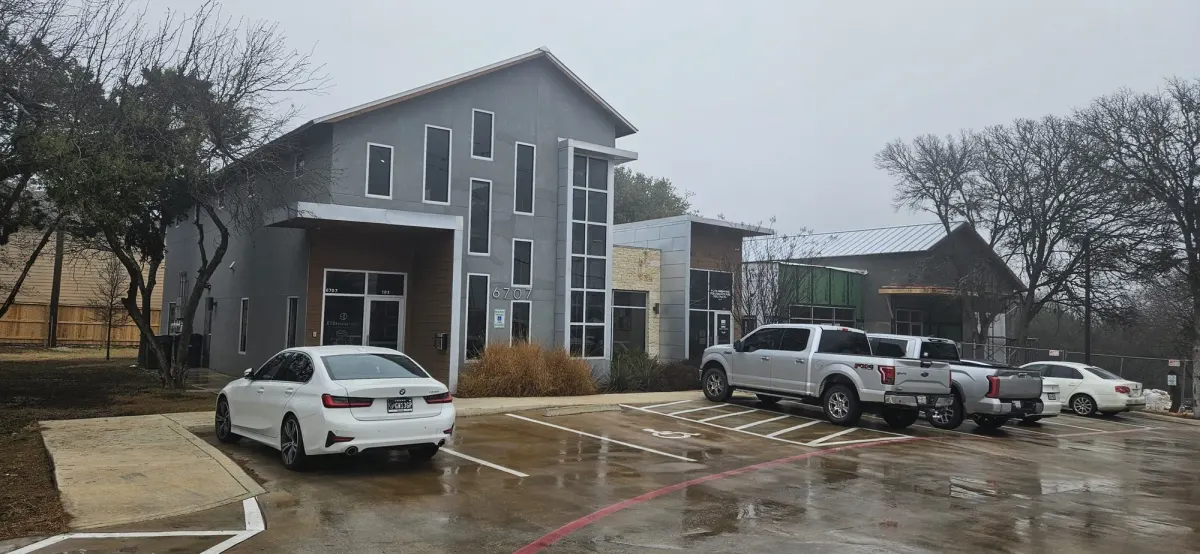 Outpatient
 San Antonio, TX
6707 W Hausman Rd · 78249
- Outpatient detox with scheduled medical visits
- Outpatient treatment
Outpatient Drug & Alcohol Detox in San Antonio
Is It Illegal to Take Another Person’s Prescription Drugs?
Yes. Taking another person’s prescription drugs or giving or selling them to someone else is illegal in the United States.3 So, why should you not use someone else’s prescription medicine?
- If a drug is not prescribed for you, taking it could have unpredictable short-term and long-term effects.
- The drug may negatively interact with other supplements or medications you are taking.
- You could be allergic to any ingredient in the drug.
- The dosage could be incorrect for someone your size or weight.
- The drug could exacerbate an unrelated health condition or disorder that you have.
How to Safely Get Rid of Prescription Drugs
You may have decided to get rid of all your unused and/or expired prescription drugs to prepare for the homecoming of a loved one after drug detox or rehab. Or maybe you have suspicions that a loved one may be struggling with addiction and substance abuse. Even if you’re just doing some deep cleaning, here are the safest and most responsible ways to get rid of your old prescription drugs.
- Take your prescription drugs to a local take-back location. The U.S. Drug Enforcement Agency (DEA) periodically hosts drug take-back events around the country that provide community members with a safe and convenient location at which they can drop off their unused prescription drugs.1 In fact, the DEA is hosting National Prescription Drug Take Back Day this October 28 from 10 a.m. to 2 p.m. Please visit the DEA’s website to locate take-back locations near your home. Your local law enforcement agency may also host similar events throughout the year. Contact your local agencies for more information.
- Donate your unused prescriptions. If you want to donate your unused prescriptions to those who may actually need it but don’t have access to it, your local pharmacist may have a list of resources and organizations who may accept your donation. Although many organizations do not accept prescription drug donations from individuals, the World Medical Relief does.2 All prescription donations must meet the following criteria:
- Donations must not be expired.
- Donations should not require refrigeration.
- Bottles must be completely sealed or pills have to be in blister packs.
- Prescription drugs should be dated at least six months before expiration.
- If you must, throw away medications at home. If there are no drug take-back locations in your area, you may need to dispose of your unused prescription medicine at home. If so, the U.S. Food & Drug Administration recommends mixing the medicine with dirt, cat litter, or used coffee grounds, placing the mixture in a sealed container, and throwing it away in your household trash. Also, make sure you take a sharpie and black out any of your personal information (as well as the name of the drug) on the prescription bottle before throwing it away.
- If you have no other option, flush medications down the drain. Although flushing unused medication down the toilet is not the preferred way to dispose of unused prescription medications, it is still much better than leaving them in your medicine cabinet.
Properly disposing of unused or expired prescription drugs may take some extra effort but it can be very beneficial for a family member who is returning home from drug detox or rehab. If you would like additional tips on how to prepare your home for the return of a loved one after rehab or detox, please contact your loved one’s care provider for details.
If you believe a loved one may be abusing your unused prescription drugs, we encourage you to talk to them about it. Briarwood also offers intervention assistance if the discussion is not well received by your loved one. For more information about intervention assistance or medically assisted drug and alcohol detox programs at Briarwood, please contact our admissions team today.
Get Medical Detox for Prescription Drug Addiction
For many people, their prescription drug addiction began with an action they believed to be harmless, such as taking someone else’s prescription drugs or experimenting with seemingly safe drugs from the medicine cabinet at home.
Unfortunately, prescription drug abuse is very common in the U.S., and misusing prescribed medications can contribute to a fast-growing addiction that may eventually transition into illegal drug abuse.
If you are addicted to prescription drugs like benzodiazepines, stimulants, or opioids, you’re not alone and there is help available. Overcoming these addictions is challenging, but having the right treatment and support can make all the difference.
A medical detox program for prescription drugs can provide medical treatment for uncomfortable withdrawal symptoms and clinical counseling to help you cope with the psychological symptoms of withdrawal, like depression or anxiety. Your treatment team will also offer personalized recommendations for ongoing addiction treatment with an inpatient or outpatient rehab program.
For more information about intervention assistance or medically assisted drug and alcohol detox programs at Briarwood, please contact our admissions team today. On of our team members can enrolled you in our prescription detox in Austin, prescription detox in San Antonio, or our prescription detox program in Houston.
References:
Ready to Start Your Recovery in Austin?
Briarwood Detox Center offers medically supervised detox in Austin. Explore our locations, see the facility, and verify your insurance in minutes.
See our locationsRelated Resources on Prescription Drug Safety and Detox
Understanding how to safely manage prescription medications is an important part of preventing misuse and supporting recovery. Explore these related topics to learn more about prescription drug detox, medication management, and treatment options available in Austin and beyond:
- The Science Behind Prescription Drug Detox: What You Need to Know – Discover the biological and medical processes involved in safely detoxing from prescription medications.
- Side Effects of Suboxone: What You Need to Know About Detox at Briarwood Detox Center – Learn about medication-assisted treatment options and what to expect during medically supervised detox.
- Understanding Maintenance Drugs: Essential Information for Effective Drug and Alcohol Detox – Explore how maintenance medications support safe withdrawal and long-term recovery.
- Tramadol Addiction: Signs of Abuse, Withdrawal Symptoms, and Treatment – Recognize the warning signs of prescription opioid dependence and understand treatment pathways.
If you or a loved one is struggling with prescription drug dependence, Briarwood Detox Center offers medically supervised detox services in Austin, Houston, San Antonio, and Colorado Springs. Our experienced team provides compassionate, evidence-based care to ensure a safe and comfortable withdrawal process. Call us today at (866) 710-7710 to speak with an admissions specialist and take the first step toward recovery.
Related guides


In network with most major insurance
Find your plan and see what detox would cost
Most plans cover medical detox. Coverage varies by plan, so we verify it for you before you commit to anything.





Don't see your plan? We work with out-of-network benefits and offer self-pay options — (866) 710-7710
- Confidential
- Takes about 2 minutes
- No obligation to admit
- Accredited The Joint Commission
- Rated 4.7 · 182 Google reviews Flourishing Foundations Recovery, now part of Briarwood
- Admissions 24 hours a day