
Guide
Assessing the Drug Detox Process in Austin, Texas
Joint Commission accredited · In network with most major insurance · Admissions answered 24 hours a day

Published July 5, 2023
Reviewed and updated July 29, 2026
Table of contents
- What to Look For
- Working Through Withdrawal Symptoms
- Participating in Therapy and Counseling
- Building a Support Network
- Transitioning to Aftercare
- Sober Fun Points of Interest in Austin, Texas
- Drug Detox With Briarwood
- Break Free From Your Addiction Today
When someone wants to stop taking drugs, they go to a special place called a detox center in Austin, Texas. The first thing they do is make sure the detox center is a good and safe place to be.
If you or someone you love needs more than detox, Briarwood Detox Center also provides drug rehab austin.
After that, they need to learn about what will happen during the detox process. This means understanding how the drugs will leave their body and what might happen while this is happening. Knowing these things helps ensure a successful and safe experience at the detox center.
Does your insurance cover detox in Austin?
Find out in about 2 minutes — free, confidential, no obligation.
Verify InsuranceWhat to Look For
Once you have found a reputable detox center and have made the decision to undergo drug detox in Austin, the next step in the recovery process is assessing the detoxification process itself.
- Initial Assessment: Upon arrival at the detox center, you will undergo an initial assessment conducted by medical professionals. This assessment will involve a thorough evaluation of your physical and mental health, as well as any history of substance abuse. The information gathered during this assessment will help the medical team create a personalized detox plan tailored to your specific needs.
- Medical Supervision: Throughout the detoxification process, you will receive round-the-clock medical supervision from a team of experienced healthcare professionals. They will closely monitor your vital signs, manage any withdrawal symptoms, and ensure your overall safety and comfort.
- Medication-Assisted Treatment (MAT): Depending on the specific substance of abuse and your individual needs, medication-assisted treatment may be incorporated into your detoxification process. Doctors can give drugs to help with withdrawal and cravings, making detox easier and more comfortable.
- Individual and Group Therapy: In addition to medical support, detox centers often provide individual and group therapy sessions as part of the detox process. These therapy sessions help with addiction by addressing emotions and psychology, giving you tools and strategies for long-term recovery.
Evaluating detox is important for managing expectations and transitioning smoothly to the next phase of recovery. This will help you feel confident and concentrate on staying sober for a long time.
Working Through Withdrawal Symptoms
After the assessment and detox plan, the next step is to deal with withdrawal symptoms during the drug detox process. Withdrawal symptoms vary based on substance abuse type and severity. Support and resources are crucial for navigating this challenging phase.
- Understanding Withdrawal Symptoms: Withdrawal symptoms occur as the body adjusts to the absence of drugs or alcohol. These symptoms can range from mild discomfort to severe physical and psychological distress. Common withdrawal symptoms include nausea, sweating, insomnia, anxiety, depression, irritability, and cravings. To effectively manage withdrawal symptoms, it's important to fully understand the specific substance's associated symptoms.
- Medical Monitoring and Support: During this phase, medical professionals will closely monitor your condition and provide the necessary support to help alleviate withdrawal symptoms. They may administer medications to address specific symptoms or employ other techniques to manage discomfort and promote stability. The medical team will adjust the treatment plan as needed to ensure your safety and comfort throughout the withdrawal process.
- Therapeutic Interventions: In addition to medical support, therapy plays a crucial role in working through withdrawal symptoms. One-on-one counseling helps with addiction by focusing on emotions and psychology, teaching better ways to cope and strategize. Group therapy also allows people with similar experiences to connect, offering support, encouragement, and a sense of community.
- Holistic Approaches: Many drug detox programs incorporate holistic therapies to complement the medical and therapeutic interventions. These methods help improve mental, physical, and spiritual health, reducing withdrawal symptoms and promoting overall well-being. Holistic therapies may include yoga, meditation, acupuncture, art therapy, and mindfulness exercises. These practices can help manage stress, enhance relaxation, and improve overall resilience during the withdrawal process.
Working through withdrawal symptoms is a critical step in the drug detox process. It requires a comprehensive and personalized approach that addresses both the physical and emotional aspects of addiction. With the guidance and support of medical professionals and therapists, you can navigate through this challenging phase towards lasting recovery.
Participating in Therapy and Counseling
After the assessment and managing withdrawal symptoms, the next important step in drug detox is taking part in therapy and counseling. It also teaches them healthier methods to cope and recover.
- Individual Therapy: Individual therapy sessions provide a safe and confidential space for individuals to work one-on-one with a licensed therapist. The therapist helps explore personal experiences, traumas, triggers, and emotions that may have contributed to substance abuse. People learn to recognize and change negative thoughts and behaviors through evidence-based therapies like CBT, DBT, or MI. They also learn to set goals and find healthier ways to handle stress and emotions.
- Group Therapy: Group therapy sessions bring together individuals who are going through similar experiences of addiction and recovery. Led by a therapist, these sessions provide a supportive and non-judgmental environment for sharing stories, struggles, and successes. Group members can learn from one another, gain different perspectives, and receive encouragement and support. Group therapy also helps individuals develop interpersonal skills, explore relationship patterns, and build a sense of community and belonging.
- Family Therapy: Family therapy sessions involve the participation of family members or loved ones who have been affected by the individual's addiction. These sessions aim to improve communication, understanding, and support within the family system. Family members learn about addiction, its impact on relationships, and how they can contribute to the individual's recovery. Family therapy also helps people and their loved ones deal with problems, set limits, and create a better environment for recovery.
- Holistic Therapies: Many drug detox programs incorporate holistic therapies as part of the therapeutic process. These therapies focus on healing the mind, body, and spirit and can complement traditional therapy approaches. Holistic therapies may also include yoga, meditation, mindfulness exercises, art therapy, equine therapy, or nature therapy.
Therapy and counseling help people with addiction by addressing issues, teaching coping skills, and building a support system. With therapists' help, people can recover, heal, and learn skills for a fulfilling life without substance abuse.
Building a Support Network
Building a strong support network is a crucial step in the drug detox process for successful recovery. A support network can consist of various individuals, including family, friends, peers, mentors, and professionals. Here are some key components of building a support network during drug detox:
- Family and Friends: Involving close family members and friends who are understanding, supportive, and committed to your recovery can be beneficial. They can offer emotional support, provide a listening ear, and help create a healthy and drug-free environment. Family and friends can attend therapy sessions, participate in education programs, and learn how to best support your recovery journey.
- Support Groups: Support groups, such as Alcoholics Anonymous (AA) or Narcotics Anonymous (NA), offer a valuable opportunity to connect with others who are going through similar experiences. These groups provide a safe and judgment-free space for sharing struggles, receiving guidance, and gaining insights from individuals who have achieved long-term recovery.
- Therapists and Counselors: Continued engagement with therapists and counselors beyond the detox phase is crucial. These professionals can provide ongoing support, guidance, and therapy to address any emotional or psychological challenges that may arise during recovery. They can help individuals develop coping mechanisms, navigate triggers and cravings, and work through any underlying issues contributing to addiction.
- Sober Living Communities: For individuals who require a structured and drug-free environment, sober living communities can be an excellent support option. These residential programs provide a safe and supportive space for individuals in early recovery. Sober living communities also offer peer support, enforce rules and accountability, and provide access to resources and services to support ongoing recovery.
Creating a support system is crucial for drug detox. By surrounding oneself with positive and supportive individuals, individuals can increase their chances of achieving sustained sobriety and a fulfilling life free from substance abuse.
Where we are
Detox centers across Texas
Three locations, each with its own admissions line and its own clinical team. Pick the one nearest you — or call and we will tell you which has a bed tonight.
-
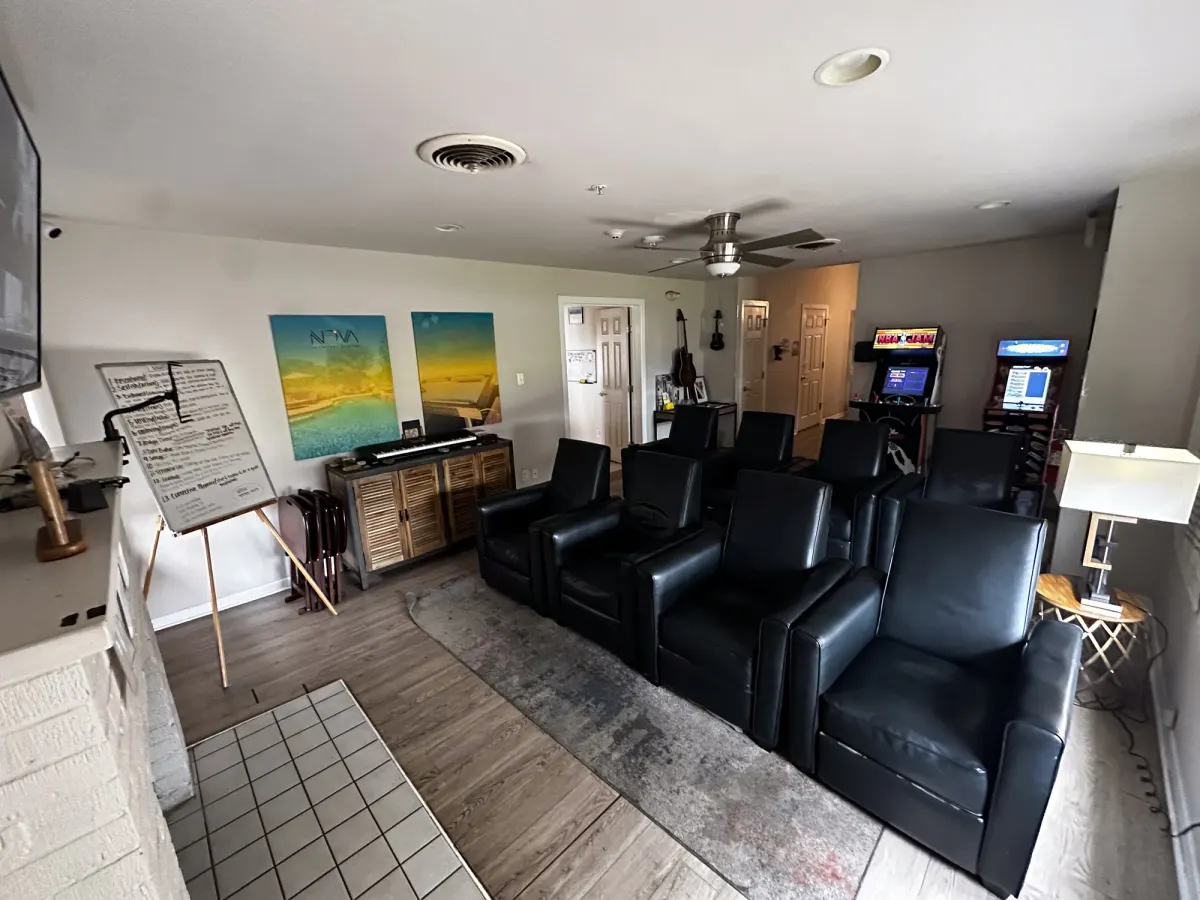 Inpatient
 Austin, TX
11711 N Lamar Blvd · 78753
- 15 beds
- On-site labs
- 24-hour medical staff
Drug & Alcohol Detox in Austin, TX
-
 Inpatient
 Houston, TX
1019 Ashland St · 77008
- On-site labs
- 24-hour medical staff
Drug Detox Center in Houston, TX
-
 Outpatient
 San Antonio, TX
6707 W Hausman Rd · 78249
- Outpatient detox with scheduled medical visits
- Outpatient treatment
Outpatient Drug & Alcohol Detox in San Antonio
Transitioning to Aftercare
Transitioning to aftercare is a crucial step in the drug detox process for successful recovery. Here are some key components of transitioning to aftercare:
- Continuing Treatment: Aftercare programs often involve continuing treatment in the form of outpatient therapy or counseling. This allows individuals to address any underlying issues or triggers that may contribute to their addiction. Therapy sessions provide a safe space to explore emotions, develop coping mechanisms, and learn healthy strategies for managing cravings and triggers.
- Supportive Housing: For individuals who need a stable and drug-free living environment, supportive housing options like halfway houses or sober living homes can be beneficial. These residences provide a supportive community and structure to help individuals transition from a controlled treatment setting to independent living. Supportive housing also offers accountability, daily routines, and peer support to maintain sobriety in a safe environment.
- Relapse Prevention Planning: Creating a relapse prevention plan is an essential part of transitioning to aftercare. This involves identifying potential triggers, developing coping strategies, and establishing a support system to prevent relapse. With therapists' help, people can learn to spot signs and use healthy strategies to handle tough situations.
- Peer Support Groups: Engaging in peer support groups, such as 12-step programs like Alcoholics Anonymous (AA) or Narcotics Anonymous (NA), can provide ongoing support and encouragement. These groups offer a sense of community and connection with others who have experienced similar struggles. Attending regular meetings can serve as a reminder of the importance of sobriety and offer additional tools for ongoing recovery.
By actively participating in aftercare programs and utilizing the support and resources available, individuals can increase their chances of maintaining sobriety and leading a fulfilling life free from substance abuse.
Ready to talk to someone now? Briarwood Detox Center's admissions team is here 24/7, and every call is confidential. Call (866) 710-7710.Sober Fun Points of Interest in Austin, Texas
If you're in recovery or want to live sober, Austin has many places that will suit your needs. Additionally, if you're simply looking for different activities, Austin also offers a variety of options.
One popular destination for sober fun in Austin is the Barton Springs Pool. This pool is a peaceful oasis in the city, perfect for swimming or relaxing, with water from a natural spring. Surrounding the pool are large grassy areas where you can relax, have a picnic, or enjoy a game of frisbee. Barton Springs is a great place to relax and have a calm day, surrounded by trees and refreshing water.
If you're into art and culture, the Blanton Museum of Art is a must-visit. Located on the University of Texas campus, this renowned museum houses an impressive collection of paintings, sculptures, and other artistic treasures.
The Blanton Museum offers a wide range of art exhibits. These exhibits include old European works and modern local pieces. They are sure to captivate art enthusiasts of all ages. Walking in the museum will stimulate your mind and give a calm atmosphere for a thoughtful outing.
For nature lovers, the Lady Bird Johnson Wildflower Center is a true gem. This botanical garden and research center dedicates itself to preserving and studying native plants. As you stroll through the various gardens, the beauty of Texas flora and fauna will surround you.
The Wildflower Center offers educational programs and tours. These programs and tours focus on learning about the local ecosystem and the significance of native plants in biodiversity. It's a great place to connect with nature and explore the outdoor wonders of Austin.
Drug Detox With Briarwood
Briarwood Detox Center offers detox treatment for alcohol, opioid, methamphetamine, prescription drugs, and much more. Our experienced clinical staff provides round-the-clock monitoring throughout the drug detox process and our therapy team provides support to help manage the emotional response to treatment. Additionally, we have detox facilities located in Austin, Houston, and Colorado Springs with state-of-the-art amenities.
Briarwood is dedicated to facilitating a healthy and safe environment that empowers people to make significant and lasting changes in their lives. We look forward to supporting you or your loved one on the journey to recovery. Call (866) 710-7710 today for more information on our programs and admission process.
Our center is in-network with many insurances
Using BlueCross BlueShield to pay for detox
Using United Healthcare to pay for detox
Using Magellan to pay for detox
Using Beacon Health to pay for detox
Call (866) 710-7710 to verify your benefits.





Break Free From Your Addiction Today
(in 3 easy, confidential steps)
Verify your insurance
Complete our fast, free, and easy verification process over the phone to determine the extent of your insurance coverage.
Make an informed decision
We will provide personalized placement recommendations based on your insurance, treatment needs, financial situation, and schedule.
Contact us
Call (866) 710-7710 or fill out our online form for a free and confidential personal consultation with an admissions specialist.
Ready to Start Your Recovery in Austin?
Briarwood Detox Center offers medically supervised detox in Austin. Explore our locations, see the facility, and verify your insurance in minutes.
See our locations


Medical Detox in Austin: What You Need to Know
Medical detox is a clinically supervised process that helps individuals safely withdraw from drugs or alcohol while managing withdrawal symptoms under the care of trained medical professionals. At Briarwood Detox Center in Austin, Texas, medical detox combines 24/7 monitoring, evidence-based medications, and compassionate support to ensure your safety and comfort during the critical first phase of recovery.
Why medical detox matters: Withdrawal from substances like alcohol, benzodiazepines, and opioids can produce life-threatening complications—including seizures, delirium tremens, severe dehydration, and cardiac events. Medical detox provides the clinical oversight necessary to prevent medical emergencies, reduce discomfort, and set a stable foundation for ongoing treatment.
Key Features of Medical Detox at Briarwood Detox Center
- 24/7 Medical Supervision: Board-certified physicians and registered nurses monitor vital signs, adjust medications, and respond immediately to any complications.
- Evidence-Based Medication Support: FDA-approved medications (such as buprenorphine, naltrexone, benzodiazepines, and comfort medications) are used to ease withdrawal symptoms and cravings safely.
- Individualized Treatment Plans: Every patient receives a personalized detox protocol based on substance use history, co-occurring mental health conditions, and medical needs.
- Inpatient and Outpatient Options: Briarwood offers medically supervised inpatient detox in Austin and outpatient detox programs in Austin, San Antonio, Houston, and Colorado Springs.
- Seamless Transition to Ongoing Care: Medical detox is the first step—our team connects you with outpatient counseling, peer support, and relapse-prevention resources to sustain long-term recovery.
What to Expect During Medical Detox
The medical detox process at Briarwood typically unfolds in three phases:
- Initial Assessment (Day 1): A comprehensive medical and psychiatric evaluation determines the safest detox protocol for your unique situation.
- Stabilization (Days 2–7): Withdrawal symptoms peak and are managed with medications, hydration, nutrition, and continuous monitoring. Most patients experience significant symptom relief within 5–7 days.
- Preparation for Ongoing Treatment (Days 7+): As acute withdrawal subsides, our clinical team works with you to develop a discharge plan, including outpatient therapy, medication-assisted treatment (MAT), and community support connections.
Medical detox alone does not treat the underlying addiction—it removes the physical dependence so that you can engage fully in counseling, behavioral therapies, and peer support that address the psychological and social dimensions of substance use disorder.
Related Resources
- Why Supervised Medical Detox Is Essential – understand the risks of unsupervised withdrawal
- The Dangers of Quitting Cold Turkey – learn why medical oversight saves lives
- Rapid Detox Explained – explore accelerated detox protocols
- Understanding Maintenance Drugs – medications used in medical detox and beyond
- After Drug Detox: Continued Support and Ongoing Treatment – what happens after detox
Frequently Asked Questions: Medical Detox in Austin
What is medical detox?
Medical detox is a supervised withdrawal process conducted in a clinical setting where healthcare professionals monitor your vital signs, manage withdrawal symptoms with medications, and provide 24/7 support to ensure safety and comfort. It is the medically necessary first step for anyone physically dependent on alcohol, opioids, benzodiazepines, or other substances.
How long does medical detox take?
The duration of medical detox depends on the substance, the severity of dependence, and individual health factors. Most patients complete detox in 5 to 7 days, though some cases (particularly benzodiazepine or polysubstance withdrawal) may require longer stabilization. Your medical team will assess your progress daily and adjust the timeline as needed.
Is medical detox safe?
Yes. Medical detox is the safest way to withdraw from drugs or alcohol. Unsupervised withdrawal can lead to seizures, cardiac arrest, severe dehydration, hallucinations, and death—especially with alcohol and benzodiazepines. At Briarwood Detox Center, board-certified physicians and registered nurses provide round-the-clock monitoring and evidence-based interventions to prevent complications and ensure your safety.
Does insurance cover medical detox in Austin?
Most private insurance plans, including those compliant with the Affordable Care Act, cover medical detox as a medically necessary service. Briarwood Detox Center works with major insurance providers and offers free, confidential insurance verification. Call (866) 710-7710 to speak with our admissions team and confirm your coverage.
What substances require medical detox?
Medical detox is essential for anyone dependent on alcohol, benzodiazepines (Xanax, Valium, Ativan), opioids (heroin, fentanyl, prescription painkillers), or multiple substances (polysubstance use). It is also strongly recommended for stimulant withdrawal (methamphetamine, cocaine) when co-occurring mental health conditions or medical complications are present.
What happens after medical detox?
Medical detox addresses physical dependence but not the underlying addiction. After detox, Briarwood's clinical team will connect you with outpatient counseling, medication-assisted treatment (MAT), peer support groups, and relapse-prevention planning. Continuing care is critical—research shows that patients who engage in structured treatment after detox have significantly higher long-term recovery rates.
Can I do medical detox as an outpatient?
In some cases, yes. Briarwood Detox Center offers outpatient detox programs in Austin, San Antonio, Houston, and Colorado Springs for individuals with mild to moderate withdrawal risk, strong home support, and no serious medical or psychiatric complications. Your clinical team will assess your eligibility during the intake evaluation and recommend the safest level of care.
How do I start medical detox at Briarwood Detox Center in Austin?
Call (866) 710-7710 to speak confidentially with our admissions team. We'll verify your insurance, answer your questions, and schedule an intake assessment. Many patients are admitted the same day or within 24 hours. You don't have to face withdrawal alone—safe, compassionate medical detox is available now.
Related guides



In network with most major insurance
Find your plan and see what detox would cost
Most plans cover medical detox. Coverage varies by plan, so we verify it for you before you commit to anything.













Don't see your plan? We work with out-of-network benefits and offer self-pay options — (866) 710-7710
- Confidential
- Takes about 2 minutes
- No obligation to admit
- Accredited The Joint Commission
- Rated 4.5 · 94 Google reviews
- Admissions 24 hours a day