
Guide
How Long Does Tramadol Stay In Your System?
Joint Commission accredited · In network with most major insurance · Admissions answered 24 hours a day

Published March 13, 2021
Reviewed and updated July 29, 2026
Tramadol is eliminated from your system in about two days, but it may be detectible for longer than that using certain drug tests.
Briarwood Detox Center’s opiate detox program provides medically supervised, evidence-based care.
Table of contents
- What Is Tramadol?
- What Is Tramadol Used For?
- Can Tramadol Be Abused?
- How Long Does Tramadol Stay In Your Body?
- Tramadol Half-Life
- What Are Signs of Tramadol Addiction?
- How to Detox From Tramadol
- Treatment for Tramadol Addiction
Tramadol is frequently prescribed to relieve pain after surgery or to treat conditions that cause chronic pain.
Does your insurance cover detox in Austin?
Find out in about 2 minutes — free, confidential, no obligation.
Verify InsuranceTramadol is eliminated from your system in about two days, but it may be detectible for longer than that using certain drug tests.
This timeline isn’t an exact science and the rate at which tramadol is eliminated from your body will vary depending on several individual factors. We’ll go into more detail to provide clarity.
What Is Tramadol?
Tramadol is a prescription opioid medication. It’s sold under the brand names Ultram, ConZip, and Ultracet. Like other opioid drugs, tramadol works by binding to opioid receptors in the brain and body and activating them. This decreases the user’s perception of pain and releases dopamine, which can be psychologically rewarding.
Since tramadol is also a monoamine reuptake inhibitor, it blocks the reabsorption of serotonin and norepinephrine into nerve terminals, which contain neurotransmitters. This aids in its ability to reduce pain.
Tramadol is considered less habit-forming than other prescription opioid drugs, but it’s still highly addictive. As such, the FDA has labeled tramadol with warnings about its potential for abuse and addiction but it continues to be frequently abused. According to the Drug Enforcement Administration (DEA), in 2018, there were 36.5 million prescriptions sold and dispensed to individuals. That same year, 1.5 million people ages 12 and older misused tramadol products.1
What Is Tramadol Used For?
Tramadol is FDA-approved to treat moderate to moderately severe pain in adults.2 The immediate-release version of the drug provides pain relief for about 4 to 6 hours while the extended-release version of tramadol offers 12 to 24 hours of pain relief.3,4
Can Tramadol Be Abused?
Yes. Many people start out taking tramadol as prescribed by a doctor end up abusing it later. Even if you take tramadol as prescribed, it can be addictive and may cause withdrawal symptoms when you stop taking it. This is especially likely if you’ve taken tramadol for several weeks or months.
Tramadol can also be very dangerous if you take it in large doses. One of the major risks of abusing tramadol or taking larger doses than prescribed is overdose. Signs of tramadol overdose include:
- Drowsiness
- Cold, clammy skin
- Slowed heart rate
- Slowed breathing
- Low blood pressure
- Constricted pupils
- Seizures
- Cardiac arrest
- Coma
Taking tramadol with other opioids, alcohol, or benzos is particularly dangerous because it can increase your risk of having an overdose.
How Long Does Tramadol Stay In Your Body?
Tramadol will be eliminated from your body about two days after the initial dose, but it can vary from person to person. Several different factors play a role in the amount of time this process takes, including:
- Age
- Sex
- Weight
- Metabolism
- Organ function
- Liver enzyme activity
- The amount of tramadol taken
- How long you’ve been taking tramadol
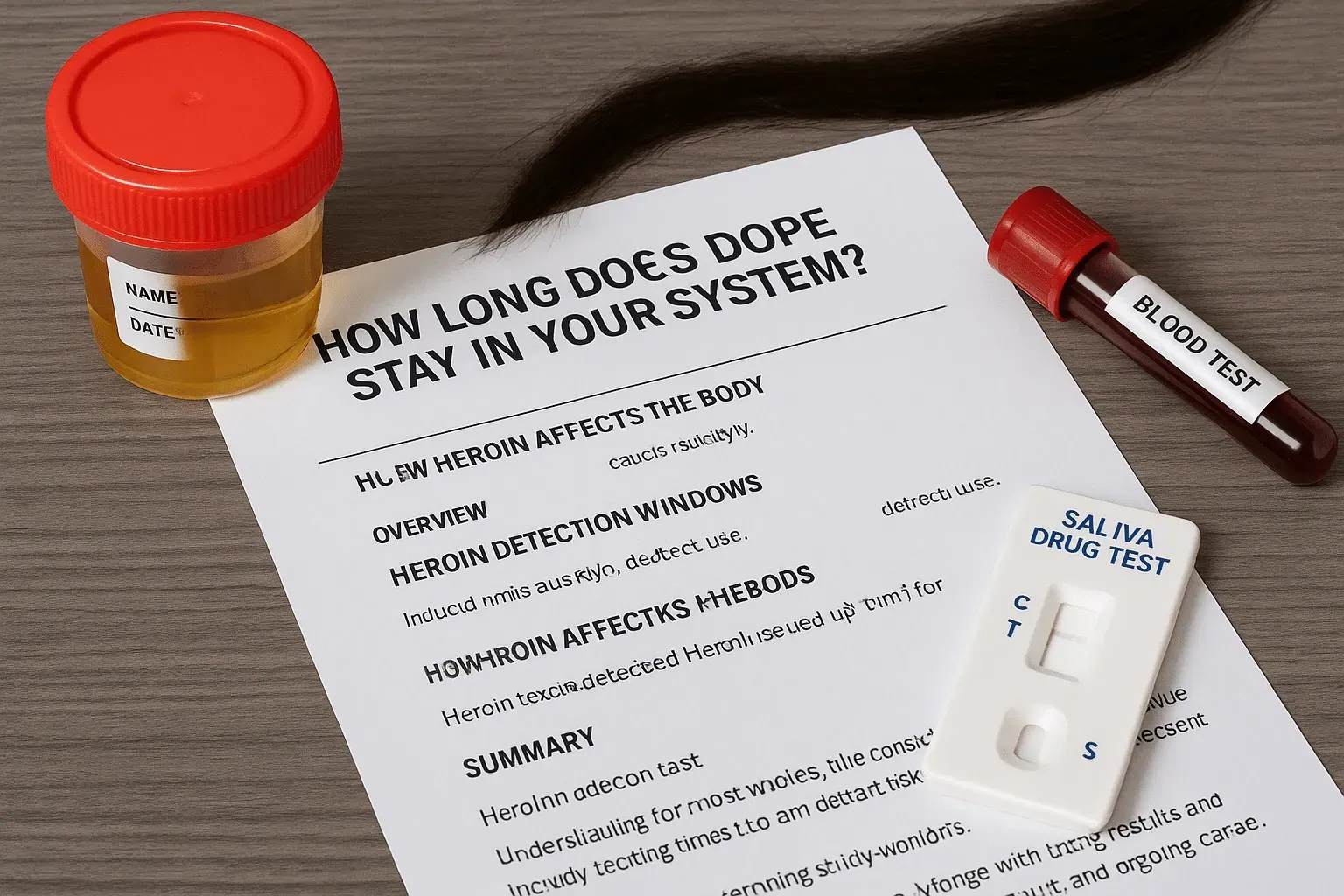
Tramadol may also be detected in your body for longer than two days with certain types of drug tests.
- Urine test: Tramadol may be detected in urine for 1 to 4 days after the last use.5
- Saliva test: Tramadol may be detected in saliva up to 48 hours after the last use.6
- Hair test: Tramadol may be detected in hair for 4 to 6 months after the last use.7
- Blood test: Tramadol may be detected in blood for 12 to 24 hours after the last use.
Tramadol Half-Life
Tramadol has a half-life of 5 to 6 hours.8 The half-life of a drug is the length of time required for its concentration to decrease to half of its starting dose in the body.9 Knowing the half-life of a drug can help you determine how long it takes to be eliminated from your body.
So, if you’re wondering, “How long does it take for tramadol to wear off?” the answer is complicated. If you’re taking the immediate-release version, its effects will wear off in about 4 to 6 hours but the effects will last longer if you’re taking the extended-release version—about 12 to 24 hours, to be exact.
Ready to talk to someone now? Briarwood Detox Center's admissions team is here 24/7, and every call is confidential. Call (866) 710-7710.However, just because you don’t feel its effects, doesn’t mean the tramadol has been completely eliminated from your system. As described in detail above, tramadol takes a couple of days to completely leave your body.
Where we are
Detox centers across Texas
Three locations, each with its own admissions line and its own clinical team. Pick the one nearest you — or call and we will tell you which has a bed tonight.
-
 Inpatient
 Austin, TX
11711 N Lamar Blvd · 78753
- 15 beds
- On-site labs
- 24-hour medical staff
Drug & Alcohol Detox in Austin, TX
-
 Inpatient
 Houston, TX
1019 Ashland St · 77008
- On-site labs
- 24-hour medical staff
Drug Detox Center in Houston, TX
-
 Outpatient
 San Antonio, TX
6707 W Hausman Rd · 78249
- Outpatient detox with scheduled medical visits
- Outpatient treatment
Outpatient Drug & Alcohol Detox in San Antonio
What Are Signs of Tramadol Addiction?
Tolerance (needing more tramadol to achieve the desired effects) and withdrawal symptoms are two of the most common signs of tramadol addiction. However, there are others. Depending on the severity of the person’s tramadol addiction, they may include:
- Not being able to control tramadol use.
- Spending a lot of time thinking about using tramadol, trying to get it, or recovering from using it.
- Trying to stop using tramadol but being unable to.
- Losing interest in normal hobbies and activities.
- Borrowing or stealing money to pay for tramadol.
- Hiding your tramadol use from friends and family.
- Having trouble at work, in relationships, or at school due to tramadol abuse.
- Going to more than one doctor to get tramadol prescriptions.
- Taking tramadol with other drugs or alcohol to enhance its effects.
- Continuing to take tramadol long after you need it for medical purposes.
How to Detox From Tramadol
If you or a loved one is suffering from tramadol addiction, you’re not alone and you deserve to receive treatment and help. Detoxing from tramadol on your own can be dangerous and withdrawal symptoms can also be extremely uncomfortable, leaving you in a vulnerable position.
A medical detox program can provide professional treatment and therapy to help you cope with common tramadol withdrawal symptoms, including:
- Yawning
- Muscle and body aches
- Sweating
- Runny nose
- Restlessness
- Anxiety
- Agitation
- Hypertension
- Fast breathing
- Racing heart
- Insomnia
- goosebumps/chills
- Diarrhea
- Loss of appetite
- Stomach pain
- Dilated pupils
- Difficulty concentrating
- Depression
- Strong cravings
In general, tramadol withdrawal symptoms may start about 12 hours after your last dose. The most severe tramadol withdrawal symptoms are likely to peak a few days after your last dose and will gradually taper off. Certain psychological effects of tramadol withdrawal, like depression, insomnia, or anxiety, may last a little longer.
If you are severely addicted to tramadol, your withdrawal symptoms are likely to be more severe and long-lasting than someone with a mild dependence. That’s why it’s important to seek professional treatment and care. Quitting cold turkey may make tramadol symptoms worse and it’s always wise to have medical professionals nearby during tramadol detox, just in case you experience a medical emergency and need help.
Medical detox is the most comprehensive form of tramadol detox and will provide adequate care and treatment for withdrawal symptoms. Many detox centers use FDA-approved drugs to treat opioid withdrawal, such as methadone, buprenorphine, or naltrexone. However, doctors and nurses may use a variety of prescription drugs and over-the-counter medications to target symptoms of tramadol withdrawal and ensure that opioid detox clients are comfortable and safe.
Medical detox also provides therapy for clients who may be suffering from depression, anxiety, or other psychological symptoms of tramadol withdrawal. Interested clients may also attend H&I meetings, which serve as a low-pressure introduction to the 12-Step Program.
Treatment for Tramadol Addiction
After tramadol detox, staff may recommend that you continue with tramadol addiction treatment at a rehab center. Although detox is an important part of recovering from tramadol addiction, it’s only the first step of getting help.
Tramadol addiction treatment in rehab consists of counseling and therapy but it can also include medication, depending on your treatment needs. Types of behavioral therapies that are frequently used to treat tramadol addiction during rehab include:
- Cognitive behavioral therapy
- Contingency management
- Motivational interviewing
- Family therapy
- 12-Step facilitation therapy
- Specialized therapies like art therapy or music therapy
Like other chronic conditions, tramadol addiction must be managed to prevent relapse. As a result, completing a rehab program after detox is ideal for those who want to sustain long-term and lasting recovery.
If you or a loved one needs help overcoming your tramadol addiction, Briarwood Detox Center can provide safe and effective opioid detox to help you get sober.
References:
- deadiversion.usdoj.gov
- MedlinePlus
- NIH
- Once daily tramadol extended release durotram xr for pain (nps.org.au)
- aruplab.com
- Oral fluid saliva testing (cansfordlabs.co.uk)
- Determination of tramadol (samih-abualraghib.com)
- ScienceDirect
- NIH
Ready to Start Your Recovery in Austin?
Briarwood Detox Center offers medically supervised detox in Austin. Explore our locations, see the facility, and verify your insurance in minutes.
See our locationsHow Briarwood Detox Center Can Help with Tramadol Dependence
If you or a loved one is struggling with tramadol dependence or facing an upcoming drug test while using tramadol, professional medical support makes all the difference. Briarwood Detox Center offers comprehensive, medically supervised detox services designed to safely manage tramadol withdrawal and support your path to recovery.
Medically Supervised Tramadol Detox in Austin, TX
Tramadol withdrawal can be uncomfortable and, in some cases, medically complex due to its dual-action mechanism (opioid and SNRI effects). Our board-certified physicians and addiction specialists provide 24/7 medical supervision during detox, using evidence-based protocols to:
- Safely taper tramadol under medical guidance
- Manage withdrawal symptoms with appropriate medications
- Monitor for complications such as seizures (a known tramadol withdrawal risk)
- Address co-occurring mental health concerns like anxiety or depression
- Create a personalized treatment plan for continued recovery
Outpatient Detox Options Available
In addition to our inpatient medical detox program in Austin, Texas, Briarwood offers outpatient detox services in Austin, San Antonio, Houston, and Colorado Springs, CO—allowing you to receive professional medical support while maintaining work and family commitments when clinically appropriate.
Insurance and Confidential Verification
We accept most major insurance plans and offer confidential benefits verification. Our admissions team will help you understand your coverage and out-of-pocket costs before you begin treatment.
Take the first step today. Call our compassionate admissions team at (866) 710-7710 for a free, confidential assessment. Recovery from tramadol dependence is possible with the right medical support.
Related Resources
- Tramadol Addiction: Signs of Abuse, Withdrawal Symptoms, and Treatment
- The Importance of Medically Supervised Drug Detox: Insights and Facts
- Understanding the Essential Elements of Drug Detox for Successful Recovery
- Can Drug Withdrawal Cause Death?
- Expert Withdrawal Management Services: Drug and Alcohol Detox Austin
Related guides


In network with most major insurance
Find your plan and see what detox would cost
Most plans cover medical detox. Coverage varies by plan, so we verify it for you before you commit to anything.


















Don't see your plan? We work with out-of-network benefits and offer self-pay options — (866) 710-7710
- Confidential
- Takes about 2 minutes
- No obligation to admit

- Accredited The Joint Commission
- Rated 4.7 · 182 Google reviews Flourishing Foundations Recovery, now part of Briarwood
- Admissions 24 hours a day